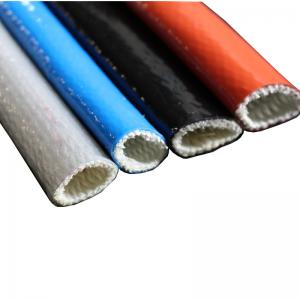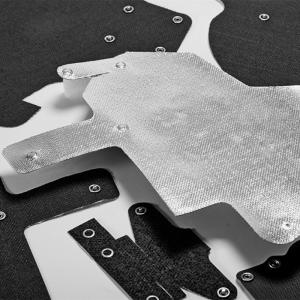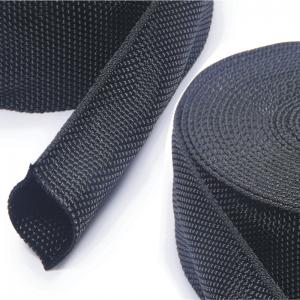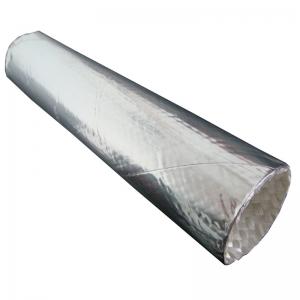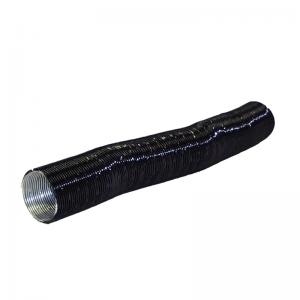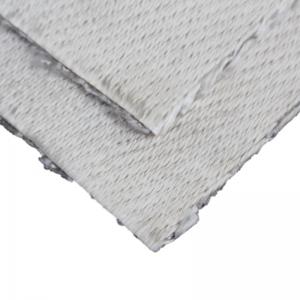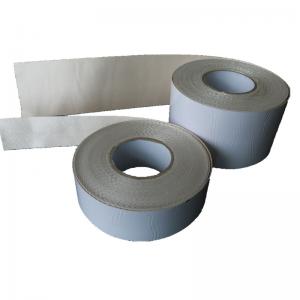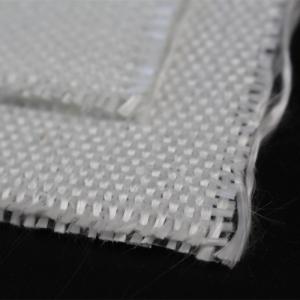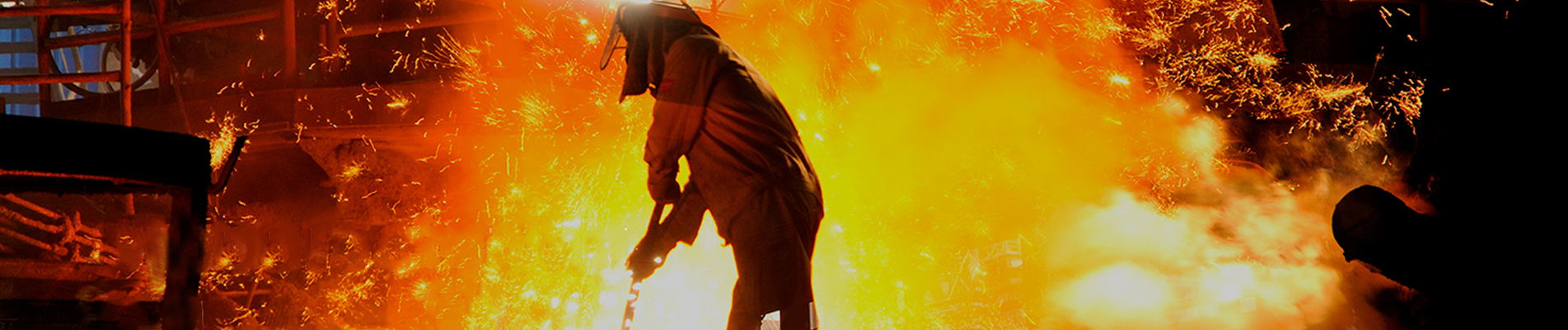
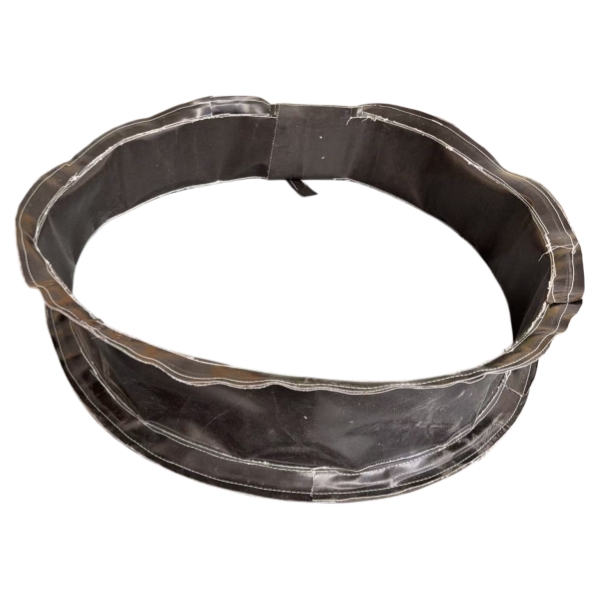
أوصلة تمدد النسيجهو وصلة مرنة تُركّب في قنوات التهوية الصناعية لامتصاص الحركة بين أجزاء المعدات أو قنوات التهوية. وبدلاً من إحداث تمدد حراري أو اهتزازات أو تغييرات في المحاذاة في الهياكل الفولاذية الصلبة، يتشوه الجزء المرن مع حركة النظام.
تُستخدم وصلات التمدد النسيجية بشكل شائع في الأنظمة التي تنقل الهواء الساخن، وغازات العادم، وغازات المداخن، وغيرها من الوسائط الغازية المستخدمة في العمليات الصناعية. وقد يتكون عنصرها المرن من أقمشة تقنية منسوجة، أو أقمشة مطلية، أو أغشية مانعة لتسرب الغاز، أو طبقات تقوية، أو عازل حراري يتم اختيارها وفقًا لظروف التشغيل الفعلية.
ولأن العنصر المرن غير معدني، يُشار إلى هذا النوع من الوصلات على نطاق واسع باسموصلة تمدد غير معدنيةأووصلة تمدد من نسيج غير معدني.
للاطلاع على التصاميم الصناعية المخصصة، انظر إلىوصلة تمدد من نسيج غير معدني من BSTFLEX.
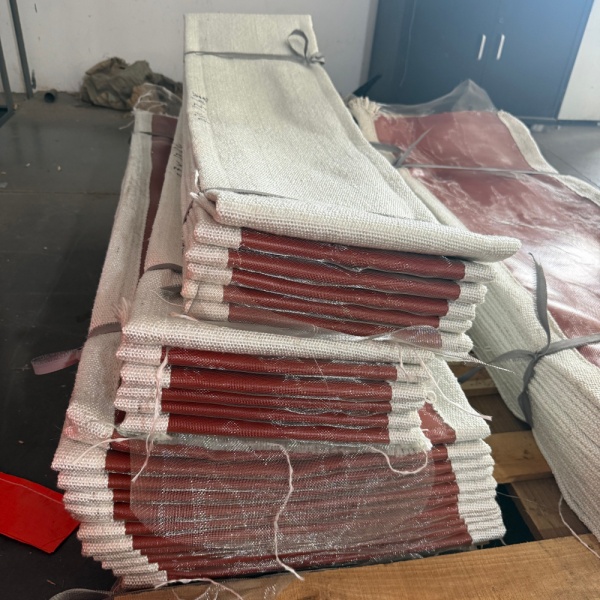
وصلة التمدد النسيجية عبارة عن قسم مرن مصمم هندسيًا يوضع بين جزأين صلبين نسبيًا من نظام مجاري الهواء. والغرض منها هو السماح بحركة متحكم بها مع الحفاظ على الاتصال المطلوب بين هذين الجزأين.
نادراً ما تبقى أبعاد القنوات الصناعية ثابتة أثناء التشغيل. فعندما يسخن الفرن أو الغلاية أو نظام العادم أو قناة المعالجة، يتمدد الهيكل المعدني المحيط به. وعندما يبرد، ينكمش مرة أخرى. كما يمكن للمراوح والمعدات الدوارة أن تُحدث اهتزازات، في حين أن تفاوتات التركيب قد تُسبب انحرافات طفيفة بين المكونات المتجاورة.
إذا انتقلت هذه الحركات مباشرة عبر مجاري الهواء الصلبة، فقد تؤدي إلى أحمال إضافية على:
تُنشئ وصلة النسيج منطقة مرنة حيث يمكن أن يحدث جزء من تلك الحركة دون الحاجة إلى أن يتصرف هيكل القناة بالكامل كمجموعة صلبة.
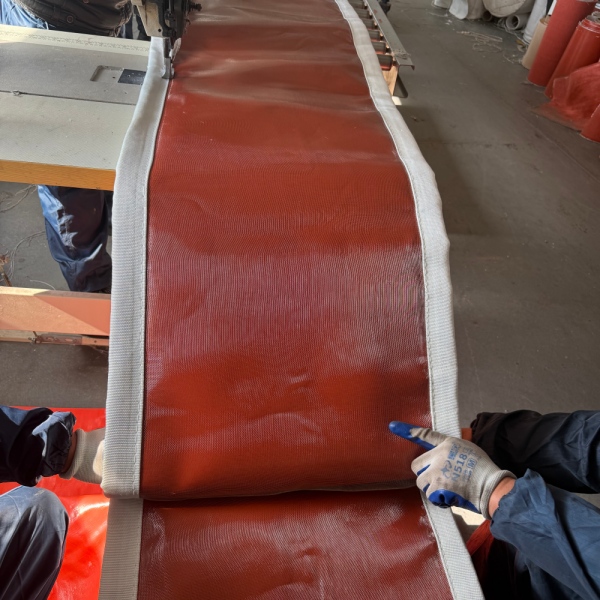
على المدىوصلة تمدد غير معدنيةيصف العنصر المرن بدلاً من كل مكون في التجميع الكامل.
قد تُستخدم إطارات معدنية أو قضبان تثبيت أو بطانات أو غيرها من الأدوات حول المفصل. ومع ذلك، فإن الجزء الذي يؤدي الحركة المرنة الأساسية يُصنع من القماش أو المطاط الصناعي أو النسيج المطلي أو الغشاء المصفح أو مزيج من هذه المواد بدلاً من منفاخ معدني مُشكّل.
هذا التمييز مهم لأن وصلات التمدد المصنوعة من القماش والمعادن تتصرف بشكل مختلف.
يُتيح المنفاخ المعدني الحركة عن طريق ثني التلافيف المعدنية المُشكّلة. أما وصلة التمدد النسيجية فتستغل مرونة حزامها النسيجي أو المركب لتغيير شكلها مع حركة القناة.
بالنسبة للقنوات الصناعية الكبيرة، وخاصة تلك التي تحمل الوسائط الغازية بضغط منخفض نسبيًا، يمكن لهذا التصميم أن يوفر قدرة كبيرة على الحركة في مساحة تركيب صغيرة.
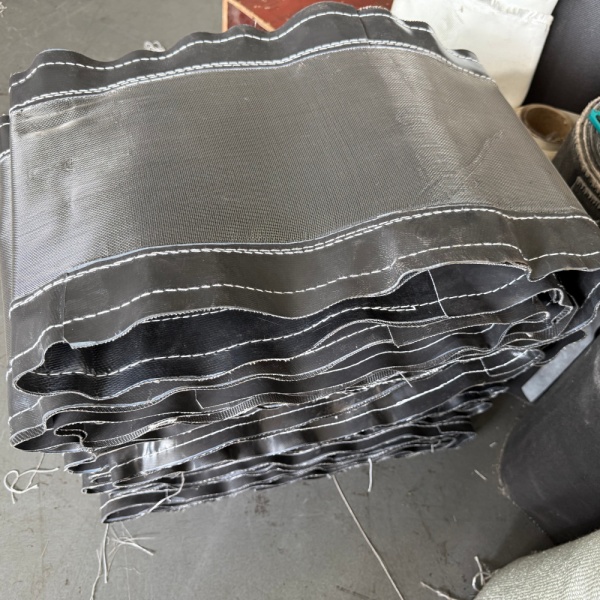
مبدأ التشغيل الأساسي واضح ومباشر.
تخيل قسمين من قنوات التهوية الساخنة يفصل بينهما فجوة محددة. عنصر نسيجي مرن يربط هذه الفجوة ويتم تثبيته بإحكام حول محيط كل قسم من أقسام القناة.
عندما تسخن مجاري الهواء وتتمدد، تتغير المسافة أو المحاذاة بين الجزأين. وبدلاً من مقاومة هذه الحركة كما تفعل الوصلة الصلبة، يتغير شكل الحزام المرن.
وبحسب التصميم، يمكن للمفصل أن يستجيب لأنواع متعددة من الحركة.
يحدث الانضغاط المحوري عندما تصبح المسافة بين جزئي القناة أقصر على طول الخط المركزي.
يحدث هذا غالبًا عندما يتسبب التمدد الحراري في تحرك جزء من مجرى الهواء باتجاه جزء آخر. ينضغط الجزء المرن أو ينطوي بطريقة مضبوطة لاستيعاب انخفاض المسافة.
التمدد المحوري هو الحالة المعاكسة. تزداد المسافة بين الأجزاء المتصلة على طول المحور الطولي.
يجب أن يتمتع عنصر النسيج بهندسة كافية متاحة للتمدد دون أن يتم تمديده بشكل مفرط.
تحدث الحركة الجانبية عندما يتحرك أحد وصلات القناة جانبياً بالنسبة للآخر.
يُعد هذا الأمر بالغ الأهمية في أنظمة القنوات الكبيرة حيث يؤدي تحرك المعدات أو النمو الحراري في اتجاه آخر أو هندسة التركيب إلى حدوث إزاحة بدلاً من مجرد الضغط أو التمدد.
تحدث الحركة الزاوية عندما لا يعود السطحان المتصلان متوازيين.
يتشوه الحزام المرن بشكل غير متساوٍ حول محيطه، مما يسمح لأحد الجانبين بالانضغاط بينما يمتد قسم آخر.
لا تتحرك الأنظمة الصناعية الحقيقية دائمًا في اتجاه واحد فقط. يمكن أن تحدث الإزاحة المحورية والجانبية والزاوية في الوقت نفسه.
هذا أحد الأسبابوصلة تمدد مجرى الهواء المصنوع من القماشيُعد هذا مفيدًا بشكل خاص في تصميمات القنوات المعقدة. يمكن تصميم هندسة الوصلات بناءً على مجموعة الحركات المتوقعة بدلاً من معالجة كل إزاحة على حدة.
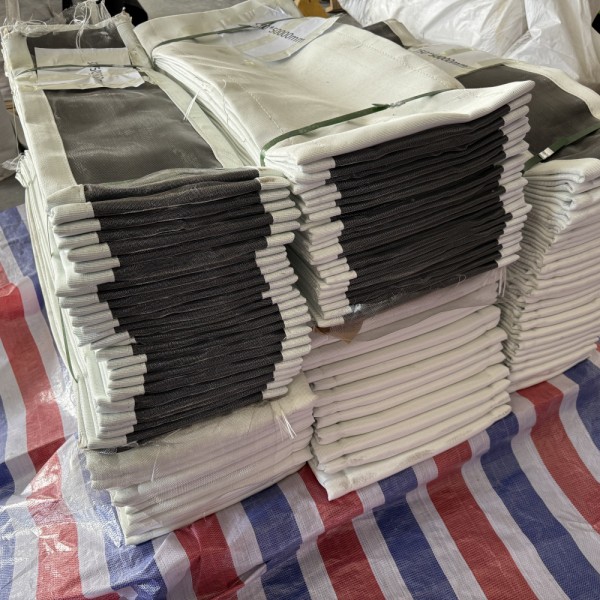
يُعد التمدد الحراري السبب الأكثر شهرة لتركيب وصلة التمدد، ولكنه ليس السبب الوحيد.
قد ينتج شرط الحركة الكاملة عن عدة ظروف تشغيلية.
| سبب | ما يحدث في النظام | دور وصلة التمدد |
|---|---|---|
| التمدد الحراري | تتمدد قنوات التهوية المعدنية مع ارتفاع درجة الحرارة | يسمح بحركة أبعاد متحكم بها |
| الانكماش الحراري | تتقلص مجاري الهواء أثناء الإغلاق أو التبريد | Allows the system to return toward its cold position |
| Fan Vibration | Mechanical vibration is transferred from rotating equipment | Provides a flexible connection between equipment and ducting |
| Misalignment | Connecting duct faces may not be perfectly aligned | Can accommodate specified offsets within the joint design |
| Structural Movement | Supports or equipment may move relative to each other | Provides a controlled flexible section |
| Operating Cycles | Repeated heating and cooling creates cyclic movement | Accommodates repeated dimensional changes when correctly designed |
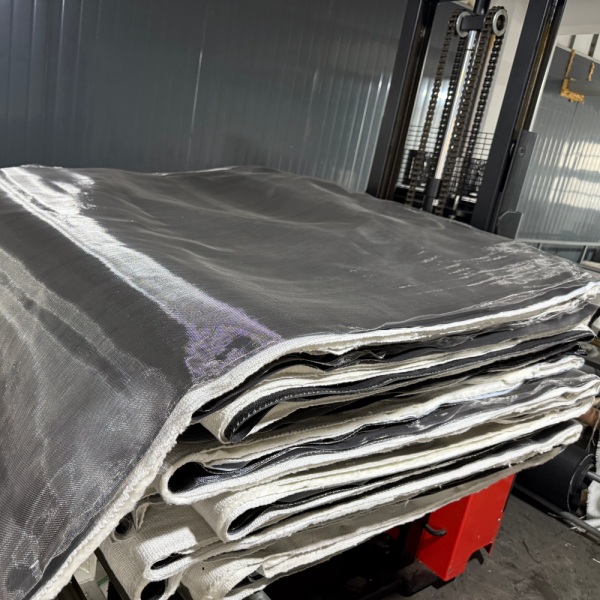
A fabric expansion joint should not be viewed simply as a piece of cloth connecting two ducts.
The flexible section is an engineered material system. Depending on service conditions, it may use a single flexible layer or several different layers, each selected for a specific function.
The outer layer forms part of the flexible envelope and may also provide resistance to weathering, environmental exposure or external mechanical conditions.
This layer helps contain the process gas. Its material must be compatible with the expected temperature, gas composition, moisture and chemical exposure.
Reinforcement provides mechanical support and dimensional stability to the flexible element. Fiberglass and other technical textile constructions are commonly considered depending on temperature and mechanical requirements.
High gas temperature does not necessarily mean every layer of an expansion joint should be exposed directly to that temperature.
An insulation package can reduce heat transfer from the process side toward temperature-sensitive sealing or outer layers.
Hot gas velocity, ash, dust or abrasive particles can damage an unprotected flexible surface. Some systems therefore require an internal liner, baffle or other protection to shield the joint from direct gas flow and particulate impact.
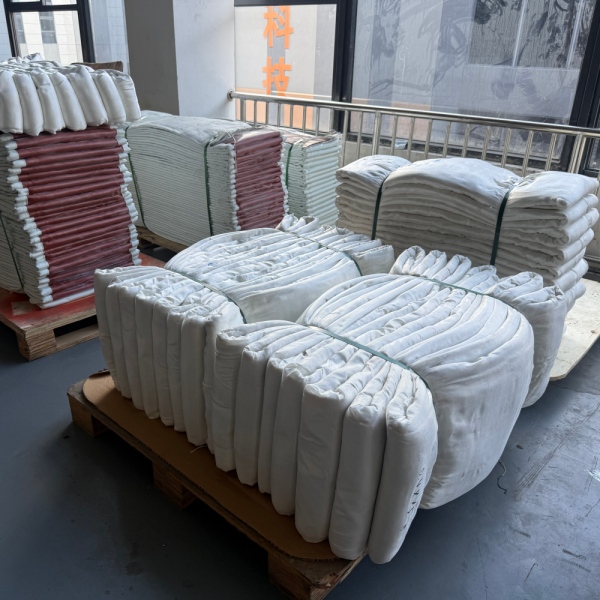
One material rarely provides every property required by a severe industrial application.
For example, a material with excellent temperature resistance may not provide the best gas sealing. A highly flexible sealing material may require reinforcement. A chemically resistant membrane may need insulation to keep its operating temperature within an acceptable range.
As a result, manyfabric expansion jointsuse a combination of materials rather than one fabric performing every function.
Typical material families include:
BSTFLEX also manufactures a broad range ofhigh temperature fabrics, allowing material construction to be evaluated according to thermal, chemical and mechanical requirements.
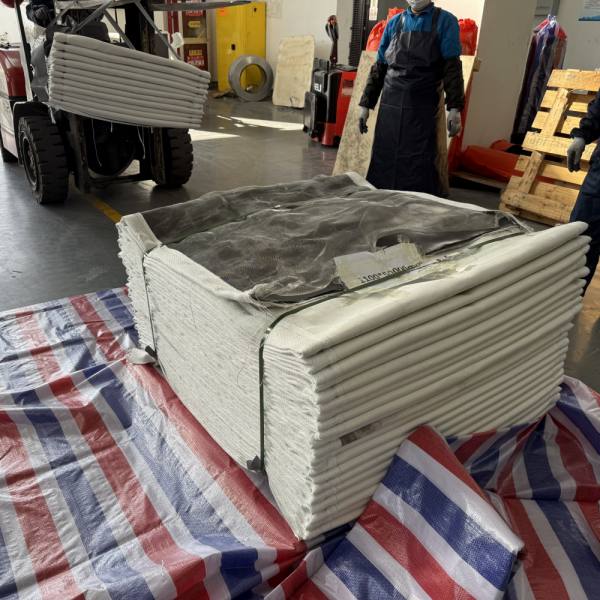
Fabric joints are mainly associated with industrial gas-handling and ducting systems rather than conventional high-pressure liquid piping.
Typical applications include the following.
Boilers, furnaces and combustion equipment can generate hot flue gases that must travel through large duct networks. These ducts experience significant dimensional change between ambient and operating temperatures.
Exhaust ducts connected to engines, industrial furnaces, thermal processing equipment or pollution-control systems may require movement compensation between hot equipment and downstream ducting.
Power plants use large gas-handling systems around boilers, fans, air-handling equipment and emission-control installations. Thermal growth and vibration can occur at multiple connection points.
Cement production combines heat, large duct dimensions, dust and continuous process operation. Flexible expansion sections may be required around kiln-related systems, fans and process ducts.
High-temperature furnaces, hot-air systems and exhaust ducts in steel and metal-processing plants can generate significant thermal movement.
Placing a flexible connection between rotating equipment and rigid ducting can help prevent all equipment movement from being transmitted directly into the surrounding duct structure.
Large ducting systems used with filtration, scrubber, flue-gas treatment and other air-pollution-control equipment often need flexible connections between process components.
Both products are intended to manage movement, but they should not be considered interchangeable simply because they share the term “expansion joint.”
| Characteristic | Fabric Expansion Joint | Metallic Bellows |
|---|---|---|
| Flexible Element | Fabric, coated textile or composite membrane | Formed metal bellows |
| Common Application | Large industrial ducts and gaseous-media systems | Industrial piping and engineered duct or process systems |
| Movement Method | Flexible belt changes geometry | Metal convolutions flex |
| Large Duct Sizes | Well suited to custom large cross-sections | Requires application-specific metallic design |
| Multidirectional Movement | Can accommodate several movement directions in one flexible section | Depends on bellows geometry and assembly design |
| Material System | Can combine several fabric, coating and insulation layers | Primarily determined by metallic alloy and bellows construction |
Pressure, temperature, process medium, movement, duct size and system design must all be considered before deciding which expansion joint technology is appropriate.
A flexible joint can help isolate vibration between connected components because its flexible element does not behave like a completely rigid metal duct section.
This is useful near fans, blowers and other equipment that produces mechanical vibration.
However, vibration should still be treated as an engineering input. Frequency, amplitude, equipment arrangement and joint geometry all influence performance. A fabric expansion joint should not be selected only because a system is described as “vibrating.”
There is no universal movement value that applies to every fabric expansion joint.
Movement capability depends on:
For this reason, axial, lateral and angular movements should be stated separately when specifying a custom expansion joint.
A request such as “50 mm total movement” is less useful than specifying how that movement occurs.
For example:
These values are examples of how movement information can be communicated, not standard ratings for every joint.
There is also no single temperature rating that defines all fabric expansion joints.
The allowable process temperature depends on the complete construction.
A high-temperature joint may be designed so that the process-side protection and insulation reduce the temperature reaching the gas-sealing membrane and external flexible layers.
Temperature selection should therefore consider:
This is why specifying only “high temperature fabric expansion joint” is insufficient for engineering selection.
A manufacturer needs more than the nominal duct dimensions to select a reliable construction.
The most useful project information includes:
| Design Information | Typical Details Required |
|---|---|
| Duct Geometry | Round, rectangular, square or special shape |
| Dimensions | Diameter or width and height |
| Face-to-Face Length | Available installation distance |
| Temperature | Normal and maximum process temperature |
| Pressure | Positive or negative operating and design pressure |
| Process Medium | Hot air, flue gas, exhaust gas or other process gas |
| Axial Movement | Compression and extension |
| Lateral Movement | Required transverse offset |
| Angular Movement | Required angular displacement |
| Chemical Conditions | Acidic, alkaline, moisture or other process exposure |
| Particulate Loading | Dust, ash or abrasive particles |
| Installation Environment | Indoor, outdoor, weather exposure or confined area |
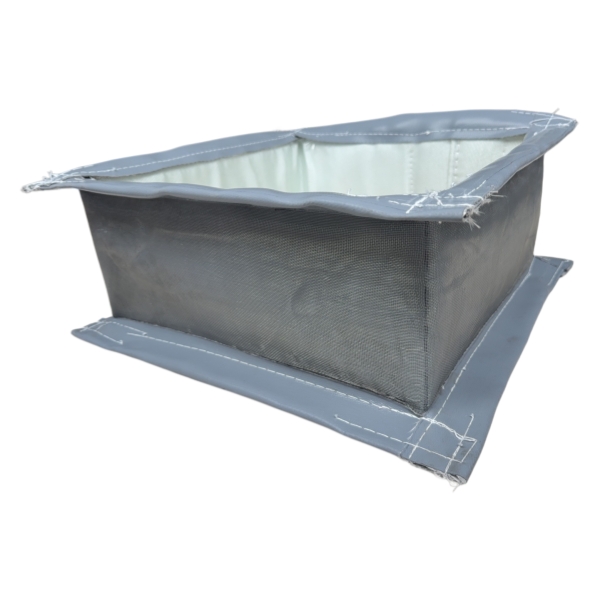
Anon metallic expansion jointshould be considered when an industrial ducting system needs flexibility and the operating conditions are suitable for a fabric-based construction.
Typical reasons include:
The final decision should always be based on actual system conditions rather than the product name alone.
Some basic constructions can be standardized, but industrialfabric expansion jointsare frequently customized.
Two ducts with the same dimensions may require completely different expansion joints if they operate at different temperatures, carry different gases or experience different movements.
Important differences may include:
This is why drawings and operating data are particularly valuable when sourcing replacement or OEM fabric expansion joints.
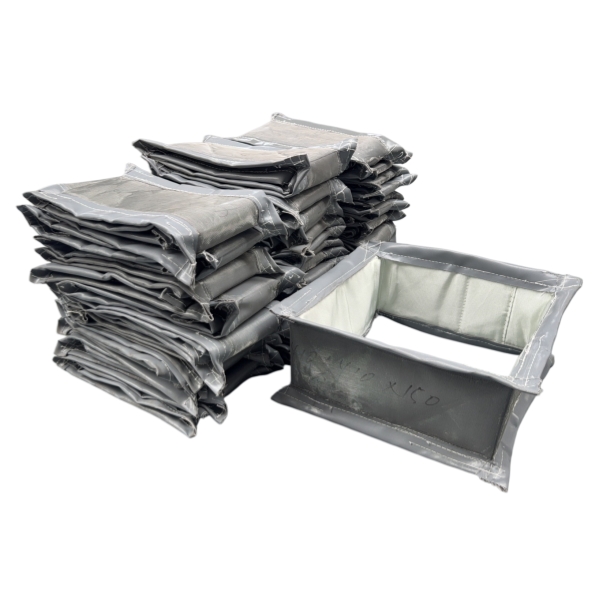
Rectangular joints are widely used on large industrial duct systems. Their corner sections require careful design because the flexible element does not deform identically along straight sides and corners.
Round joints are used on circular ducting, fan connections and exhaust systems. The circumference provides a continuous attachment surface around the duct.
Square configurations are similar in principle to rectangular designs but may be required by specific duct or equipment layouts.
Transitions, non-standard dimensions and application-specific geometries can be manufactured when existing industrial equipment cannot accept a standard shape.
Expansion joint service life depends heavily on correct specification and installation.
Potential failure mechanisms include:
A damaged joint should therefore not automatically be replaced with an identical copy without understanding why the original unit failed.
For replacement projects, operating history can be as valuable as dimensional information.
In industrial ducting, the terms are often used for closely related products. A fabric expansion joint uses a flexible non-metallic fabric or composite element, so it falls within the broader non-metallic expansion joint category. The exact terminology varies by industry and construction.
It provides a flexible connection between sections of industrial ductwork so thermal expansion, contraction, lateral displacement, angular movement, vibration and specified misalignment can be accommodated without making the connection completely rigid.
Typical locations include industrial exhaust ducts, flue-gas systems, furnace and boiler ductwork, fan connections, cement plants, power-generation equipment, steel-processing facilities and air-pollution-control systems.
Yes. Depending on the design, they can accommodate axial compression, axial extension, lateral movement, angular movement and combinations of these movements.
No. Fiberglass is an important reinforcement and high-temperature textile, but complete expansion joints may combine coated fiberglass, PTFE-coated fabric, silicone-coated textiles, silica fabrics, insulation and other materials according to operating conditions.
نعم، عندما يُصمَّم نظام المواد بالكامل ليتناسب مع درجة حرارة العملية الفعلية وظروف الغاز. تتطلب التطبيقات ذات درجات الحرارة العالية في كثير من الأحيان طبقات وظيفية متعددة وحماية مناسبة بين تيار الغاز الساخن وعنصر الإحكام المرن.
ليس تلقائيًا. فوصلات التمدد المصنوعة من القماش والمعادن تختلف في خصائص الضغط والحركة ودرجة الحرارة والخصائص الميكانيكية. يجب تقييم ظروف النظام قبل تغيير تقنية وصلات التمدد.
تشمل المعلومات المفيدة عرض القناة وارتفاعها أو قطرها، وطولها من وجه إلى وجه، وأبعاد الشفة، وترتيب البراغي، وشكل الوصلة، ومساحة التركيب المتاحة. كما أن درجة حرارة التشغيل والضغط ونوع المادة ومتطلبات الحركة ضرورية أيضاً.
تقوم شركة BSTFLEX بتطويرفواصل تمدد النسيجتُستخدم هذه التقنية في تطبيقات مجاري الهواء الصناعية، وأنظمة العادم، والهواء الساخن، وغازات المداخن. ويمكن تكييف تصميمها مع أشكال مجاري الهواء الدائرية والمستطيلة والمربعة وغير القياسية، مع اختيار أنظمة المواد وفقًا لدرجة الحرارة والضغط ووسائط المعالجة والحركة وظروف التركيب.
إذا كنت تقوم بتطوير نظام جديد أو استبدال وصلة موجودة، فراجعوصلة تمدد من نسيج غير معدني من BSTFLEXصفحة المنتج للاطلاع على خيارات البناء والتخصيص المتاحة.
لتقييم الهندسة، أرسل أبعاد القناة، ودرجة الحرارة العادية والقصوى، وضغط التشغيل، ووسط العملية، والحركة المحورية، والحركة الجانبية، وطول التركيب، والكمية، والرسومات المتاحة.

 English
 français
 Deutsch
 русский
 italiano
 español
 português
 Nederlands
 日本語
日本語 한국의
한국의 Türkçe
 Polski
 Tiếng Việt
 slovenský
 Indonesia