اختيار الخيار الصحيحغلاف خرطوم من الكيفلارلا يقتصر الأمر على مطابقة قطر الخرطوم فحسب. ففي الأنظمة الهيدروليكية، يجب أن تتناسب الجلبة مع بيئة العمل الحقيقية: مستوى التآكل، والحركة، والتلامس مع الحواف الحادة، والتعرض للحرارة، وطريقة التركيب، والعمر الافتراضي المتوقع.
غالباً ما تتعطل الخراطيم الهيدروليكية بسبب تلف الغطاء المطاطي الخارجي نتيجة الاستخدام الخارجي. فعندما يُقطع غطاء الخرطوم أو يُخدش أو يتآكل، قد تنكشف طبقة التقوية، مما يزيد من خطر التسرب وتوقف العمل وتكاليف الاستبدال. يوفر غلاف كيفلر المُختار بعناية حاجزاً واقياً قوياً حول الخرطوم ويساعد على تقليل هذا النوع من التلف.
يشرح هذا الدليل كيف يمكن للمهندسين وشركات تجميع الخراطيم ومصنعي المعدات الأصلية وفرق الصيانة اختيار المنتج الصحيحخرطوم هيدروليكي بغلاف من الكيفلارللتطبيقات التي تتطلب متطلبات عالية.
قبل اختيارغلاف خرطوم من الأراميدحدد أولاً نوع الضرر الذي لحق بالخرطوم. تتطلب أنماط الضرر المختلفة هياكل أكمام ومستويات حماية مختلفة.
| حالة التلف | سبب مشترك | التركيز الموصى به |
| تآكل السطح | احتكاك الخرطوم بالإطارات المعدنية أو الأقواس أو الخراطيم الأخرى | غلاف كيفلر مقاوم للتآكل |
| التقطيع أو التقطيع إلى شرائح | حواف فولاذية حادة، صفائح معدنية، فتحات توجيه أو أجزاء آلات خشنة | كم مقاوم للقطع من الكيفلار |
| الحركة المتكررة | الأسطوانات الهيدروليكية، والأذرع الروبوتية، والرافعات، أو أجزاء الآلات المتحركة | غلاف واقٍ مرن من الكيفلار |
| الحرارة والتآكل | يتم توجيه الخرطوم بالقرب من المحركات أو أسطح الآلات الدافئة | غلاف خرطوم من الكيفلار المقاوم للحرارة |
| مساحة تلامس واسعة | حزم الخراطيم الكبيرة، أو مناطق التوجيه المسطحة، أو المكونات غير المنتظمة | كم من ألياف الأراميد المنسوجة بشكل مسطح |
إذا كان الخرطوم يحتك بشكل أساسي بأجزاء الآلة المحيطة، فيجب أن تكون مقاومة التآكل هي الأولوية القصوى. أما إذا كان الخرطوم قريبًا من حواف معدنية مصبوبة أو دعامات حادة، فتصبح مقاومة القطع أكثر أهمية. وإذا كان الخرطوم يتحرك باستمرار، فيجب أيضًا مراعاة مرونته وثبات غلافه.
يُعدّ اختيار المقاس الصحيح أمراً بالغ الأهمية. فالكمّ الضيق جداً قد يصعب تركيبه وقد يُعيق حركة الخرطوم. أما الكمّ الفضفاض جداً فقد يتحرك أثناء التشغيل ويكشف الخرطوم عند نقاط التآكل المهمة.
قبل طلبغلاف واقٍ من الكيفلارقياس أو تأكيد:
بالنسبة لمجموعات الخراطيم ذات الوصلات الكبيرة، تُعد طريقة التركيب بالغة الأهمية. فبعض الأكمام أسهل في التركيب قبل تثبيت أطراف الخرطوم، بينما قد يتطلب البعض الآخر مقاسات خاصة أو تصميمًا أعرض لتمريرها فوق الوصلات.
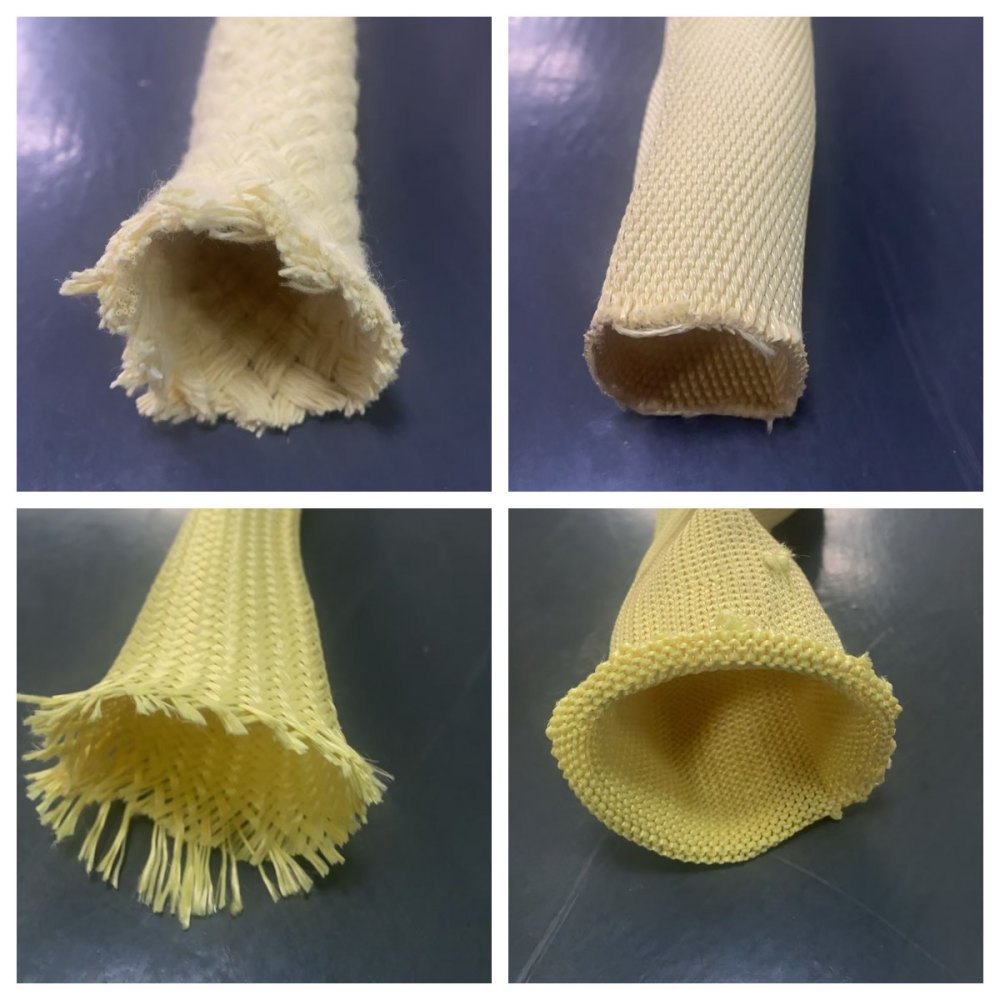
يمكن إنتاج أكمام خراطيم الكيفلار بأشكال مختلفة. يؤثر الشكل على أداء الحماية والمرونة والتركيب وتغطية السطح.
يُعد غلاف خرطوم الكيفلار المضفر أحد أكثر الخيارات شيوعًا لحماية الخراطيم الهيدروليكية. يوفر الهيكل المضفر تغطية شاملة قوية ومقاومة ممتازة للتآكل والاحتكاك والتلف الميكانيكي.
وهو مناسب للخراطيم الهيدروليكية المستديرة، والخراطيم المطاطية، والأنابيب الهوائية، وتجميعات الخراطيم الصناعية المعرضة لأضرار التلامس المتكرر.
المنتج الموصى به:غلاف واقٍ لخرطوم من الكيفلار المضفر.
عندما يعمل الخرطوم في منطقة تتعرض لتآكل شديد، يمكن للغلاف المضفر المقاوم للتآكل أن يوفر حماية سطحية أقوى. هذا التصميم مناسب للمعدات التي تحتك فيها الخراطيم بالمكونات المعدنية أو الخراطيم الأخرى أو الأسطح الخشنة أثناء التشغيل.
المنتج الموصى به:غلاف مضفر من الكيفلار مقاوم للتآكل.
يُعدّ غلاف الكيفلار المحبوك مفيداً عندما تكون المرونة والقدرة على التكيف أهم من أقصى صلابة هيكلية. فهو يُسهّل اتباع المسارات المنحنية والأشكال غير المنتظمة والتجميعات المتحركة.
المنتج الموصى به:كم من الكيفلار والأراميد المحبوك.
يُعدّ الغلاف المصنوع من ألياف الأراميد المنسوجة المسطحة مناسبًا للتطبيقات التي تتطلب حماية واسعة النطاق. وهو مفيد لحزم الخراطيم الكبيرة، وأسطح التلامس الواسعة، أو التصاميم الخاصة التي لا يُناسبها الغلاف الدائري القياسي.
المنتج الموصى به:غلاف خرطوم من ألياف كيفلر أراميد منسوج مسطح.
تُسبب الآلات المختلفة مشاكل مختلفة في حماية الخراطيم. وقد لا يكون الغلاف نفسه الخيار الأمثل لكل نظام هيدروليكي.
| نوع المعدات | مخاطر الخراطيم النموذجية | نوع الكم المقترح |
| الحفارات والرافعات | الاحتكاك، الاهتزاز، حركة الذراع، التلامس المعدني | غلاف خرطوم من الكيفلار المضفر |
| الآلات الزراعية | الغبار، الحركة المتكررة، سحب الخرطوم، احتكاك الإطار | غلاف من الأراميد المقاوم للتآكل |
| أنظمة هيدروليكية صناعية | توجيه الخراطيم بكثافة وتلامسها مع هياكل الآلات | غلاف حماية خرطوم من الكيفلار |
| الأنظمة الروبوتية | الانحناء المستمر وحركة الكابلات أو الخراطيم | كم محبوك أو مرن من الكيفلار |
| معدات التعدين والمحاجر | التآكل الشديد والصدمات وظروف الموقع القاسية | غلاف أراميد مضفر شديد التحمل |
| تجميعات OEM مخصصة | متطلبات التوجيه والتغليف والتركيب الخاصة بالمشروع | غلاف واقٍ مصنوع خصيصًا من الكيفلار |
يبحث العديد من المشترين عن غلاف كيفلر مقاوم للحرارة لأن الخراطيم تمر بالقرب من معدات ساخنة. يوفر الكيفلر مقاومة جيدة للحرارة إلى جانب قوة ميكانيكية ممتازة، ولكن يجب عدم الخلط بينه وبين مواد العزل الحراري البحتة.
إذا كان الخطر الرئيسي هو الاحتكاك بالإضافة إلى التعرض للحرارة المعتدلة، فإن غلاف خرطوم من الكيفلار يُعد خيارًا قويًا. أما إذا كان الخطر الرئيسي هو اللهب المباشر أو تناثر المعدن المنصهر أو الحرارة الإشعاعية الشديدة، فقد تكون مواد مثل الألياف الزجاجية أو السيليكا أو الأغلفة المطلية بالسيليكون أكثر ملاءمة.
استخدم غلاف الكيفلار عندما يتطلب التطبيق ما يلي:
يؤثر التركيب على نتيجة الحماية النهائية. قد لا تؤدي مادة الغلاف الجيدة وظيفتها إذا تم تركيبها بشكل غير صحيح أو تم اختيارها دون مراعاة التركيبات والانحناءات ونقاط التثبيت.
قبل تأكيد مواصفات الغلاف، تحقق مما يلي:
بالنسبة لخطوط تجميع الشركات المصنعة للمعدات الأصلية، قد يكون تناسق طول القطع ونمط التغليف والملصقات أمراً مهماً. أما بالنسبة لمستخدمي الصيانة، فقد يكون سهولة التعامل وسرعة التركيب أكثر أهمية.
عادةً ما يكون سعر غلاف خرطوم الكيفلار أعلى من سعر غلاف الخرطوم القياسي المصنوع من النسيج أو البلاستيك. مع ذلك، بالنسبة للأنظمة الهيدروليكية شديدة التحمل، يجب قياس القيمة الإجمالية بناءً على عمر الحماية وتقليل وقت التوقف.
قد يكون الغلاف منخفض التكلفة مناسبًا للاحتكاك الخفيف. ولكن إذا تعطل الخرطوم بشكل متكرر بسبب الحواف الحادة أو الاحتكاك الشديد أو الحركة، فإن استخدام غلاف واقٍ أقوى مصنوع من ألياف الأراميد يمكن أن يقلل من عدد مرات الاستبدال وتوقف الماكينة.
بالنسبة للمعدات باهظة الثمن، أو مواقع العمل النائية، أو خطوط الهيدروليك الحيوية، فإن عمر الحماية الأطول غالباً ما يكون أكثر أهمية من أقل سعر للغطاء.
| متطلبات | الخيار الأفضل |
| حماية عامة من التآكل لخرطوم الهيدروليك | غلاف خرطوم من الكيفلار المضفر |
| احتكاك عالٍ وتآكل سطحي شديد | غلاف مضفر من الكيفلار المقاوم للتآكل |
| توجيه الكابلات أو الخراطيم المرنة | كم من ألياف كيفلر أراميد المحبوكة |
| حزمة خراطيم عريضة أو منطقة حماية مسطحة | غلاف خرطوم من ألياف كيفلر أراميد منسوجة مسطحة |
| التعرض للحرارة والاحتكاك | غلاف واقٍ من الكيفلار المقاوم للحرارة |
| تجميع خرطوم مخصص من الشركة المصنعة الأصلية | غلاف خرطوم أراميد مصمم خصيصًا |
لتوصية الشركة المصنعة بالكم المناسب، تحتاج إلى أكثر من مجرد اسم المنتج. فتقديم معلومات تفصيلية عن الاستخدام يساعد على تجنب اختيار المقاسات الخاطئة والمواد غير المناسبة.
للحصول على عرض سعر، يرجى تجهيز المعلومات التالية:
تُقدّم شركة PKFiresleeve حلولاً للأكمام المصنوعة من الكيفلار والأراميد لحماية الخراطيم والكابلات والآلات الصناعية وتطبيقات الشركات المصنّعة للمعدات الأصلية. وتتوفر هياكل مختلفة للأكمام لتلبية متطلبات الحماية المتنوعة، بما في ذلك الهياكل المضفرة والمحبوكة والمنسوجة بشكل مسطح.
سواء كان مشروعك يتطلبغلاف خرطوم من الكيفلار،خرطوم هيدروليكي بغلاف من الكيفلار،غلاف خرطوم من الأراميدأو حسب الطلبغلاف حماية خرطوم من التآكليمكن لفريقنا أن يوصي بالكم المناسب وفقًا لظروف العمل وطريقة التركيب.
بالنسبة لمعظم تطبيقات حماية الخراطيم الهيدروليكية، يعتبر غلاف خرطوم الكيفلار المضفر خيارًا قويًا لأنه يوفر مقاومة شاملة للتآكل والقطع لتجميعات الخراطيم المستديرة.
قم بقياس القطر الخارجي للخرطوم، وحجم الوصلة، والطول المطلوب للغطاء. يجب أن يكون الغطاء محكمًا دون أن يعيق حركة الخرطوم أو يصبح فضفاضًا جدًا أثناء التشغيل.
توفر أكمام الخراطيم المصنوعة من الكيفلار عادةً مقاومةً أكبر للقطع والتآكل. أما أكمام الخراطيم المصنوعة من النايلون فهي أكثر اقتصاديةً ومناسبة لتطبيقات الحماية العامة.
يمكن استخدام أكمام الكيفلار في التطبيقات التي تتضمن حرارة متوسطة بالإضافة إلى التآكل الميكانيكي. أما بالنسبة للعزل المباشر للهب أو الحرارة الشديدة، فقد تكون الأكمام المطلية بالألياف الزجاجية أو السيليكا أو السيليكون أكثر ملاءمة.
نعم. يمكن تخصيص أكمام خراطيم الكيفلار من حيث القطر والطول والهيكل والسمك واللون والتعبئة والتغليف ووضع العلامات التجارية الأصلية وفقًا لمتطلبات المشروع.
إذا كنت تختار غلاف خرطوم من الكيفلار لحماية الخراطيم الهيدروليكية، فاتصل بشركة PKFiresleeve مع تحديد حجم الخرطوم ونوع المعدات وبيئة العمل والكمية المطلوبة.
يمكننا توفير حلول أكمام الأراميد المضفرة والمحبوكة والمسطحة للخراطيم الهيدروليكية وحزم الكابلات وأحزمة الأسلاك وتطبيقات الحماية الصناعية.

 English
 français
 Deutsch
 русский
 italiano
 español
 português
 Nederlands
 日本語
日本語 한국의
한국의 Türkçe
 Polski
 Tiếng Việt
 slovenský
 Indonesia