English
 français
 Deutsch
 русский
 italiano
 español
 português
 Nederlands
 日本語
日本語 한국의
한국의 Türkçe
 Polski
 Tiếng Việt
 slovenský
 Indonesia



أكمام ألياف الكربون المضفرة 3K مقابل 6K مقابل 12K: حجم السحب واختيار المنتج
يطلب أحد المشترين غلافًا من ألياف الكربون 3K. السؤال التالي هو: ما هو القطر المناسب للتركيب؟ يشير رمز K إلى عدد الخيوط الاسمي في حزمة ألياف الكربون، ولا يحدد قطر الغلاف النهائي أو سمكه أو قوة الأنبوب بعد معالجته. تعتمد هذه العوامل على بنية الجديلة ككل والطبقة المكونة منها.
اقرأ النموذج، وليس فقط رقم K
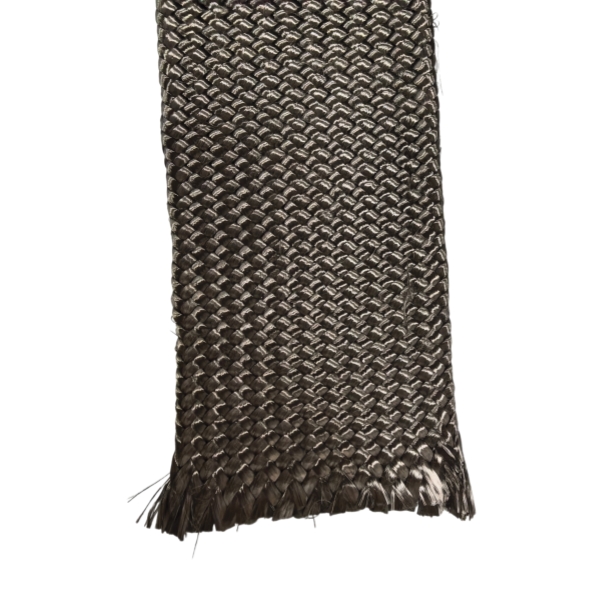
الأكمام مضفرة من ألياف الكربون BSTFLEXيتضمن الكتالوج عدة نماذج من فئات 3K و6K و12K، بالإضافة إلى نموذج واحد من فئة 24K. ويُحدد كل نموذج عدد المغازل، ونطاق القطر الاسمي، والكتلة الخطية الاسمية بالجرام لكل متر. على سبيل المثال، يبلغ نطاق القطر الاسمي لنموذج 3K20 المنشور 20-40 مم، والكتلة الخطية 20 جم/م، بينما يبلغ نطاق القطر الاسمي لنموذج 6K39 المنشور 30-50 مم، والكتلة الخطية 39 جم/م. هذه نماذج مختلفة من حيث التصميم ونطاق المقاسات، ولا يمكن استخدام هذه الأرقام كمعيار وحيد للمقارنة بين القوة.
تشير الكتلة الخطية إلى كتلة الجديلة الجافة لكل وحدة طول في الحالة المذكورة في الكتالوج. وهي لا تمثل الوزن السطحي للرقائق المعالجة، أو سمك جدارها، أو نسبة حجم أليافها. بمجرد فتح الغلاف أو تركيبه على قطعة، قد يتغير طوله وتغطيته. إذا نص الرسم على وزن سطحي أو سمك جدار نهائي، فاسأل عن كيفية قياس هذا المتطلب على الشكل الهندسي المقصود.
ما الذي يتغير مع ازدياد حجم السحب؟
تحتوي الحزمة الأكبر على عدد أكبر من خيوط الكربون، لكن حجم الحزمة ليس سوى أحد المتغيرات. يؤثر عدد حوامل الخيوط، وزاوية الجديلة، والشد، والقطر المُركّب أيضًا على مظهر الجديلة وتغطيتها. قد يكون السطح ذو المظهر الأنيق مفيدًا لتصميم معين، بينما قد يُطلب تركيب أكثر كثافة لتصميم آخر. لا يُغني أي من الخيارين عن اختبار المركب النهائي.
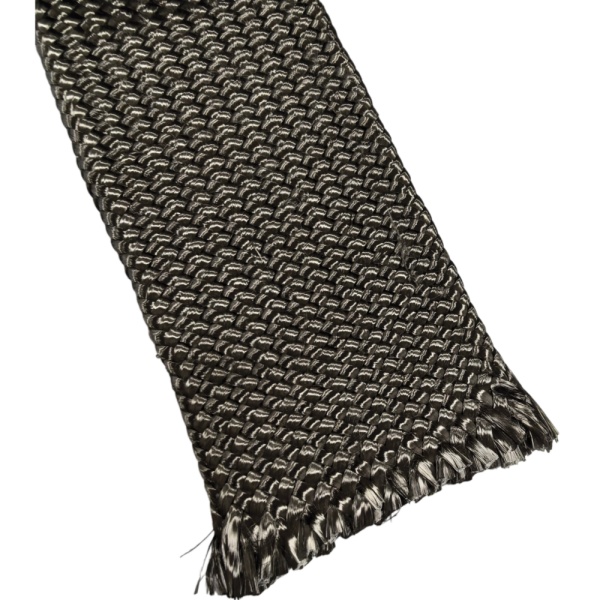
قارن بين الخيارات المتاحة عند قطر القطعة المركبة. افحص مدى تغطية الخيوط للأجزاء المستقيمة والوصلات بشكل متساوٍ، وما إذا كان يجب شد الجديلة بشكل مفرط لتجاوز الكتف، وما إذا كان الراتنج المختار يبلل التركيب أثناء العملية الفعلية. قد يتطلب الغلاف الذي يتناسب ميكانيكيًا ولكنه يترك فجوات غير مرغوب فيها على الجزء المخروطي نموذجًا آخر.
ترتيب عملي للاختيار
- سجل الحد الأدنى والحد الأقصى للأقطار الخارجية التي سيشغلها الغلاف.
- قم بإدراج نماذج مختصرة يغطي نطاق قطرها المنشور الجزء المطلوب، بما في ذلك مسار التركيب.
- قارن حجم السحب وعدد المغازل والكتلة الخطية الاسمية ضمن تلك النماذج المختارة.
- قم بمطابقة العينات مع المندريل الفعلي ووثّق التغطية وزاوية الألياف وطول القطع.
- تأكد من توافق الراتنج وطريقة المعالجة ومتطلبات اختبار الرقائق قبل الموافقة على الإنتاج.
إذا حدد العميل "12K" لمجرد أنه يبدو أثقل، فإن هذا التسلسل غالبًا ما يكشف عن معلومات ناقصة. يجب أن يتناسب جديلة 12K مع الأداة وأن توفر بنية الألياف المطلوبة. في المقابل، لا يُعد غلاف 3K خفيفًا جدًا بالضرورة لكل مهمة. المقارنة الصحيحة تكمن في قطعة محددة، وليس في الملصق.
أرسل معلومات كافية للحصول على عرض سعر مفيد
يرجى تضمين الرسم أو أبعاد القالب، وطول التعزيز المطلوب، ونوع الراتنج والعملية، وحجم الخيوط المطلوب إن أمكن، والكمية، وأي تفاوتات مسموح بها. اطلب من شركة BSTFLEX تأكيد قيم الكتالوج الحالية والنماذج المتاحة قبل استخدام المواصفات في طلب الشراء.جدول المنتجاتوهو المرجع للخيارات المنشورة 3K و 6K و 12K و 24K.