الاختيار بينوصلة تمدد النسيجو أوصلة تمدد معدنيةلا يقتصر الأمر على اختيار المنتج الأقوى أو المادة التي تتحمل أعلى درجات الحرارة. يعتمد الاختيار الصحيح على كيفية حركة النظام، والضغط الذي يعمل تحته، والوسط الذي يمر عبره، وحجم القناة أو الأنبوب، ومقدار الحمل الذي يمكن نقله إلى المعدات المتصلة.
بشكل عام، تعتبر وصلات التمدد النسيجية فعالة للغاية في أنظمة القنوات الكبيرة ذات الضغط المنخفض التي تحمل الهواء الساخن أو غاز العادم أو غاز المداخن، في حين يتم اختيار المنافيخ المعدنية بشكل شائع لأنظمة الأنابيب المضغوطة وأنظمة العمليات حيث يكون احتواء الضغط والقوة الميكانيكية أمرًا بالغ الأهمية.
توضح المقارنة التالية أين يكون أداء كل تصميم أفضل وما هي العوامل التي يجب تقييمها قبل تحديد وصلة التمدد.
قرار سريع:
اختروصلة تمدد النسيجعندما يتضمن التطبيق مجاري هواء كبيرة، أو ضغطًا منخفضًا، أو حركة جانبية كبيرة أو حركة مشتركة، أو اهتزازًا، أو غازات ساخنة، أو أحمال رد فعل مسموح بها محدودة.
اختروصلة تمدد معدنيةعندما يتضمن التطبيق أنابيب مضغوطة، أو بخار، أو سوائل، أو أحمال ميكانيكية أعلى، أو نظام مصمم خصيصًا حول منفاخ معدني.
| عامل الاختيار | وصلة تمدد النسيج | وصلة تمدد معدنية |
|---|---|---|
| الخدمة النموذجية | قنوات صناعية ووسائط غازية | الأنابيب والأوعية وأنظمة العمليات الهندسية |
| قدرة الضغط | تطبيقات الضغط المنخفض بشكل أساسي | يمكن تصميمها لتحمل ضغط أعلى بكثير |
| أحجام قنوات كبيرة | مناسب جداً | ممكن، ولكنه عادةً ما يكون أكثر تعقيدًا من الناحية الميكانيكية |
| الحركة المحورية | ممتاز عند تصميمه بشكل صحيح | ممتاز مع هندسة منفاخ مناسبة |
| الحركة الجانبية | قدرة عالية على الحركة في ترتيبات مدمجة | يتطلب ذلك عادةً تكوينًا مناسبًا للمنفاخ |
| الحركة الزاوية | يمكن استيعاب الحركة المدمجة | متوفر بتكوينات هندسية |
| عزل الاهتزازات | مرونة جيدة جداً | يعتمد على التطبيق |
| قوة الزنبرك | منخفض عموماً | تولد المنافيخ قوى زنبركية قابلة للقياس |
| نظام المواد | الأقمشة المركبة والأغشية والعزل | منفاخ من سبيكة معدنية |
| وسائل الإعلام المشتركة | هواء ساخن، غاز عادم، غاز مداخن، غاز صناعي | البخار والسوائل والغازات وسوائل العمليات |
| الهندسة النموذجية | أشكال دائرية ومستطيلة وأشكال مخصصة كبيرة | بشكل أساسي دائري، مع توفر تصميمات مستطيلة مصممة هندسيًا أيضًا |
إحدى أسهل الطرق لبدء عملية الاختيار هي تحديد ما إذا كان يتم تركيب وصلة التمدد في قناة صناعية كبيرة أو في نظام أنابيب مضغوط.
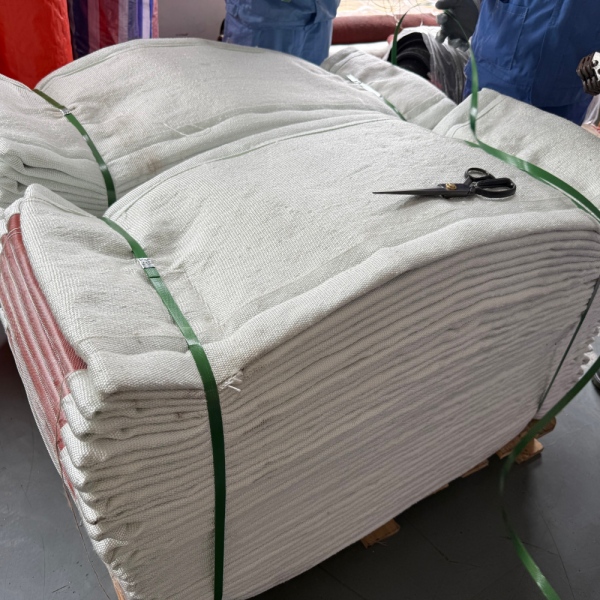
أوصلة تمدد من نسيج غير معدنييُعد هذا النظام مناسبًا بشكل خاص لقنوات الهواء والغاز الكبيرة. وتوجد هذه الأنظمة بكثرة في محطات توليد الطاقة، ومصانع الإسمنت، ومصانع الصلب، والأفران الصناعية، وأنظمة تجميع الغبار، ومعدات الاحتراق، ومنشآت العادم.
عادة ما يكون الوسط المستخدم في العملية غازيًا، وغالبًا ما يكون الضغط منخفضًا نسبيًا مقارنة بأنابيب العمليات المضغوطة.
تستخدم وصلة التمدد المعدنية تموجات معدنية رقيقة مُشكّلة لتوفير المرونة مع الحفاظ على احتواء الضغط. وتُستخدم الوصلات المعدنية المرنة على نطاق واسع في أنظمة البخار، وأنابيب العمليات، والبتروكيماويات، والصناعات الكيميائية، وغيرها من الأنظمة الهندسية التي يُعدّ فيها الضغط شرطًا أساسيًا للتصميم.
هذا الاختلاف في بيئة التطبيق يفسر العديد من اختلافات الأداء بين التقنيتين.
غالباً ما يكون الضغط هو العامل الأول الذي يفصل وصلة التمدد النسيجية عن المنفاخ المعدني.
تُستخدم الوصلات النسيجية في المقام الأول لقنوات الضغط المنخفض. ويتكون عنصرها المرن من أقمشة مطلية وطبقات تقوية وأغشية مانعة للتسرب وعزل بدلاً من منفاخ معدني يحتوي على الضغط.
توجد عادةً في:
يمكن تصميم المنفاخ المعدني ليتحمل ضغطاً داخلياً أكبر بكثير. وقد صُمم جداره المعدني الملتوي لتوفير المرونة واحتواء الضغط في آن واحد.
وهذا يجعل وصلات التمدد المعدنية مناسبة لتطبيقات مثل:
قاعدة الاختيار:إذا كان من الضروري احتواء ضغط كبير في النظام، فينبغي عادةً تقييم استخدام المنافيخ المعدنية أولاً. ولا ينبغي اعتبار وصلات التمدد النسيجية بديلاً مباشراً عن المنافيخ المعدنية المصممة لتحمل الضغط.
تُصبح تصاميم الأقمشة جذابة بشكل خاص عند الحركة.
يمكن أن يتشوه الحزام القماشي على مساحة واسعة نسبياً. وهذا يسمح له باستيعاب إزاحة محورية وجانبية وزاوية كبيرة دون الاعتماد على طيات معدنية متعددة.
بالنسبة لأنظمة القنوات الكبيرة حيث يحدث التمدد الحراري في أكثر من اتجاه واحد، يمكن لهذا أن يبسط ترتيب وصلات التمدد بشكل كبير.
يمكن للمنافخ المعدنية أيضًا استيعاب هذه الحركات، ولكن يجب تصميم تكوين المنفاخ خصيصًا حولها.
For example, larger lateral displacement may require a universal metallic expansion joint with multiple bellows and a center pipe rather than a single bellows element.
Therefore, when large lateral or combined movement is required in a low-pressure duct, afabric expansion jointis often the more practical design.
This is an important engineering difference that is often overlooked during purchasing.
A metallic bellows behaves like a mechanical spring. When it is compressed, extended or laterally displaced, it generates reaction forces that must be considered in the piping design.
These forces may influence:
Fabric expansion joints generally produce much lower spring forces because the flexible textile element is considerably softer than formed metal bellows.
For large duct systems connected to fans, furnaces or lightweight structural components, reducing these reaction loads can be a major advantage.
Fans, blowers, turbines and other rotating equipment can transmit vibration into connected ductwork.
A flexible fabric connector can help isolate some of this vibration because the textile belt does not create the same rigid mechanical path as solid ductwork.
This makes fabric expansion joints especially useful around:
Metal expansion joints can also accommodate vibration, but the movement amplitude, frequency and expected cycle life must be considered carefully in the bellows design.
For high-cycle vibration, neither product should be selected solely from a general product specification. Actual vibration data should be supplied to the manufacturer.
Large rectangular ductwork strongly favors fabric construction in many industrial systems.
Consider an exhaust duct measuring several meters across. Producing a metallic flexible element for such a large cross-section requires substantial metal fabrication and careful control of corner stresses.
A rectangular fabric joint can use a flexible belt installed around the perimeter of the duct, making very large dimensions more practical.
This is whyrectangular fabric expansion jointsare frequently seen in:
For these applications, size alone can significantly influence the final choice.
It is incorrect to assume that metal is always better at high temperature or that fabric automatically has a lower usable process temperature.
The two systems manage temperature differently.
Metallic bellows temperature capability is determined primarily by the selected alloy, design pressure, material strength at temperature and expected fatigue life.
Stainless steels and nickel-based alloys can be selected for elevated-temperature service.
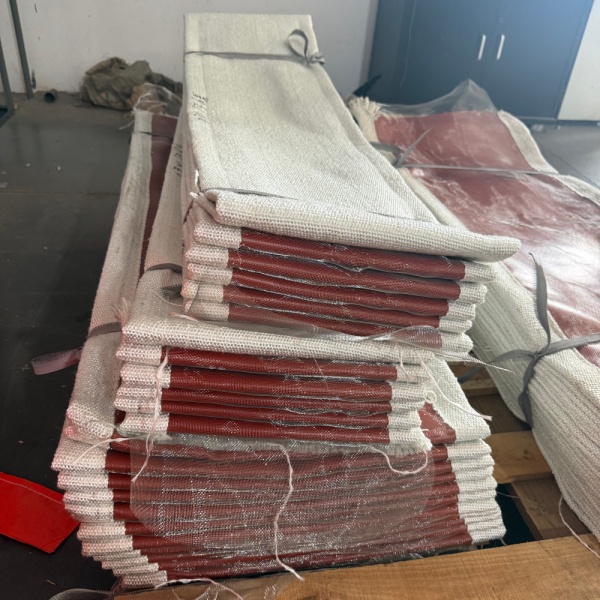
A high-temperature fabric expansion joint may use several thermal layers rather than exposing one flexible membrane directly to the process gas.
A typical construction may include:
The insulation package can reduce the temperature reaching the external sealing materials.
Therefore, ahigh temperature fabric expansion jointshould be selected based on the full temperature gradient through the joint, not simply on the temperature rating of one fabric.
Hot flue gas and exhaust systems are among the most common applications for non-metallic designs.
These installations often combine:
That combination closely matches the strengths of fabric expansion joints.
Typical installations include:
For customized designs, BSTFLEX manufacturesNon Metallic Fabric Expansion Jointsfor industrial ducting, hot-air, flue-gas and exhaust applications.
Corrosion resistance cannot be judged simply by comparing “fabric” with “metal.”
The actual materials must be compared.
A metallic expansion joint may use corrosion-resistant stainless steel or nickel alloy when aggressive media are present.
A fabric expansion joint may use chemical-resistant barrier layers such as PTFE-coated textiles or other compatible membrane systems.
Selection should consider:
Condensation is particularly important in flue-gas systems because chemical attack may become more severe when corrosive gases condense on cooler joint surfaces.
Neither fabric nor metallic bellows should necessarily be exposed directly to severe turbulent flow or abrasive particles without protection.
A fabric joint may use:
A metallic bellows may also require an internal liner to prevent erosion, turbulent excitation or direct impingement on the convolutions.
This means gas velocity, dust loading and flow direction should always be included in the expansion joint specification.
Available space can strongly affect the decision.
A fabric joint can often absorb considerable lateral movement within a relatively short flexible span.
Metallic systems can also accommodate large displacement, but may require more complex arrangements such as universal joints, hinged joints or gimbal configurations depending on movement direction.
However, there are also piping layouts where a compact metallic bellows is the more appropriate design.
Installation space should therefore be considered together with pressure and movement rather than as an isolated factor.
Fabric flexible elements are generally lighter than comparable large metallic assemblies.
This difference becomes increasingly important as duct dimensions increase.
Lower component weight can reduce loads during:
In very large rectangular duct systems, this can be an important practical advantage.
Fabric expansion joints are often designed with replaceable flexible belts.
If the surrounding steel frames remain serviceable, maintenance may involve replacing the flexible element rather than removing the complete assembly.
This can be useful in large duct installations where removing welded steel frames would create significant shutdown work.
Metal expansion joints generally require replacement or repair of the metallic bellows assembly when the bellows itself becomes damaged.
The actual maintenance cost depends on system design, accessibility, joint size and failure mode.
There is no meaningful universal statement such as “metal lasts longer than fabric.”
Service life depends on whether the joint was correctly designed for the application.
A fabric joint can fail prematurely because of:
A metal bellows can fail because of:
Correct engineering matters more than simply choosing one material category over another.
| Application | Usually Preferred | Reason |
|---|---|---|
| Large Low-Pressure Flue Gas Duct | Fabric Expansion Joint | Large size, flexibility and multidirectional movement |
| High-Pressure Steam Pipe | Metal Expansion Joint | Pressure containment requirement |
| Large Rectangular Exhaust Duct | Fabric Expansion Joint | Practical for large custom cross-sections |
| Fan Connection | Fabric Expansion Joint | Low reaction forces and vibration isolation |
| Pressurized Chemical Pipeline | Metal Expansion Joint | Pressure and mechanical requirements |
| Cement Kiln Exhaust Duct | Fabric Expansion Joint | Hot gas, large duct and substantial movement |
| Process Piping | Metal Expansion Joint | Engineered for piping pressure and code requirements |
| Large Boiler Flue Duct | Fabric Expansion Joint | Low-pressure hot-gas application |
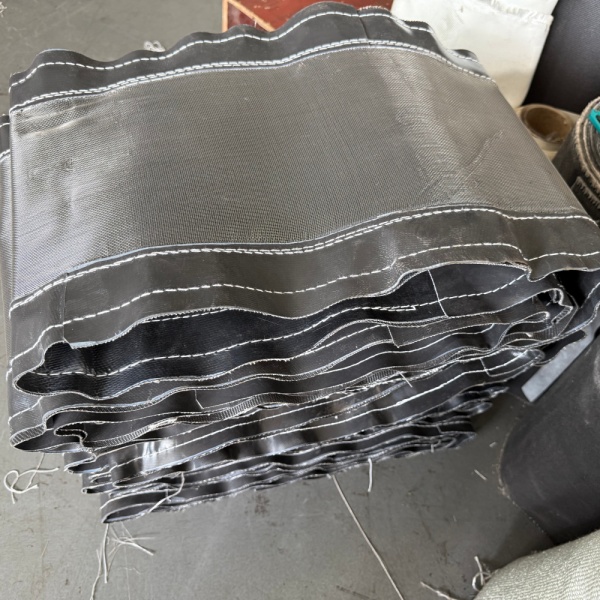
Afabric expansion jointshould be seriously considered when most of the following conditions are present:
This is the typical application envelope for anon metallic expansion joint.
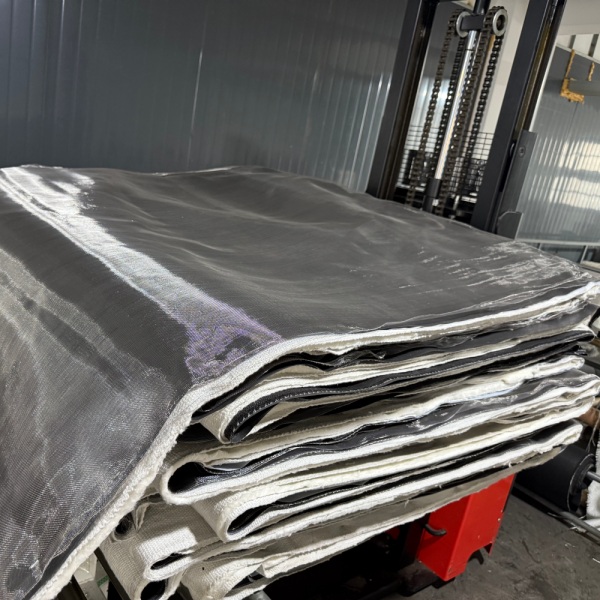
A metallic expansion joint should normally be evaluated first when:
Metallic bellows are engineered pressure-containing components and should be designed around system pressure, temperature, movement, material, fatigue life and piping loads.
Instead of asking, “Which expansion joint is better?” engineers should ask, “Which expansion joint architecture matches this system?”
Use the following sequence.
Is it a large duct or pressurized pipe?
Specify normal pressure, design pressure and whether the system operates under positive or negative pressure.
Provide both continuous operating temperature and maximum excursion temperature.
List axial compression, axial extension, lateral displacement and angular movement individually.
Specify hot air, exhaust gas, flue gas, steam, liquid or process chemical.
Include gas velocity, dust loading, abrasive particles and turbulence.
Determine how much reaction force can safely be transferred to fans, duct supports, equipment nozzles and anchors.
Confirm shape, dimensions, flange arrangement and available face-to-face installation length.
Consider a large rectangular flue-gas duct installed downstream of industrial combustion equipment.
The system has:
In this situation, a fabric expansion joint is often an efficient choice because it can combine large cross-section capability, multidirectional flexibility and low reaction forces.
Now consider a high-pressure steam line operating at elevated temperature.
Although thermal movement still exists, the system requires reliable pressure containment. A metallic bellows engineered for the piping pressure, temperature and movement is generally the appropriate technology.
These examples demonstrate why the operating system must determine the expansion joint type.
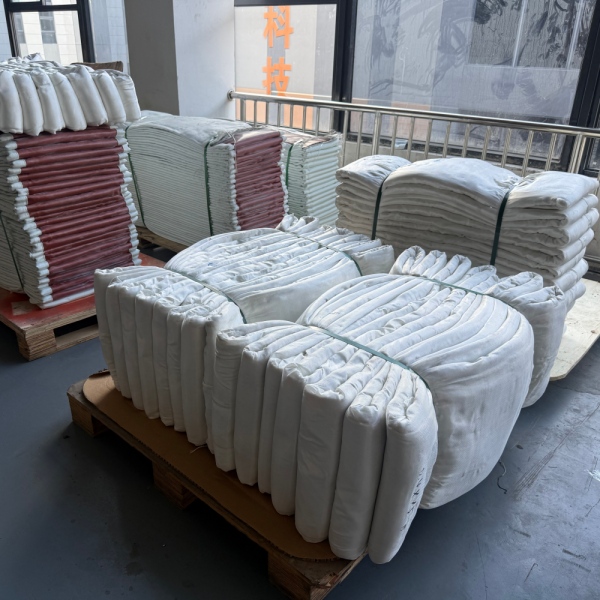
For either metallic or fabric designs, the quality of the engineering recommendation depends heavily on the information supplied.
For a custom fabric joint, BSTFLEX recommends providing:
BSTFLEX manufactures custom non-metallic expansion joints for industrial hot-air, exhaust and flue-gas ducting systems.
Depending on operating conditions, flexible constructions can incorporate technical fabrics, coated fiberglass, PTFE-based sealing layers, high-temperature insulation and protective components.
Round, rectangular and application-specific configurations can be manufactured according to customer drawings and operating data.
See theوصلة تمدد من نسيج غير معدني من BSTFLEXللحصول على خيارات التصنيع حسب الطلب.
إذا كان تطبيقك يستخدم قناة صناعية كبيرة تحمل الهواء الساخن أو غاز العادم أو غاز المداخن، فأرسل إلى BSTFLEX الرسم التخطيطي وظروف التشغيل الخاصة بك للتقييم.
قم بتضمين أبعاد القناة، ودرجة الحرارة، والضغط، والوسائط، والحركة المحورية، والحركة الجانبية، والطول من وجه إلى وجه، والكمية.

 English
 français
 Deutsch
 русский
 italiano
 español
 português
 Nederlands
 日本語
日本語 한국의
한국의 Türkçe
 Polski
 Tiếng Việt
 slovenský
 Indonesia