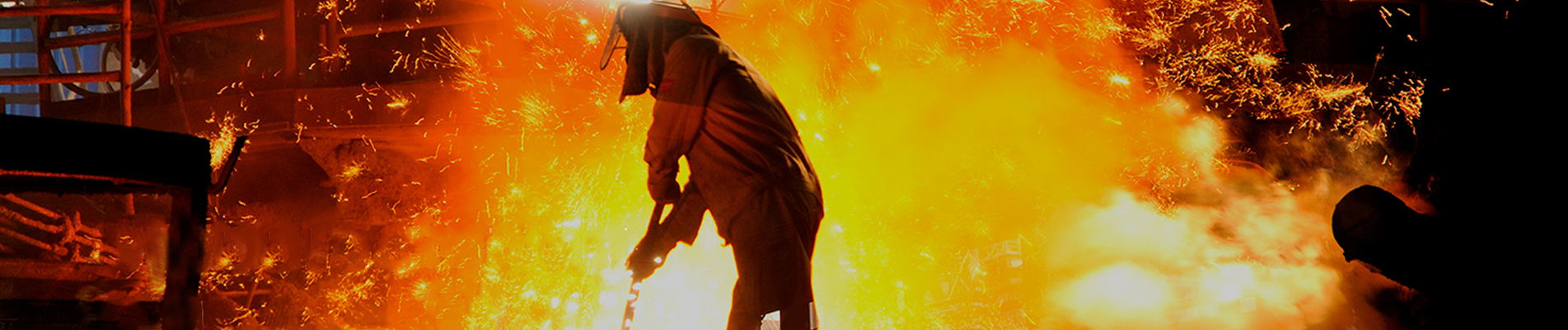
يجمع شريط السيليكا المدعوم بمادة لاصقة بين مكونين لهما وظائف مختلفة: يوفر نسيج السيليكا حاجزًا حراريًا عالي الحرارة، بينما يساعد اللاصق الحساس للضغط في تحديد موضع الشريط أثناء التركيب.إن التعامل مع هاتين الطبقتين كما لو كانتا تتمتعان بنفس القدرة على تحمل درجات الحرارة قد يؤدي إلى مواصفات غير صحيحة.
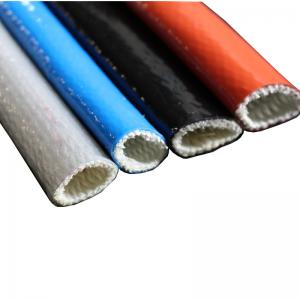
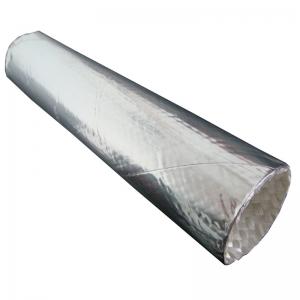
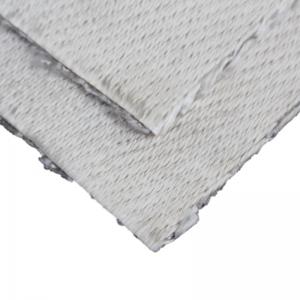
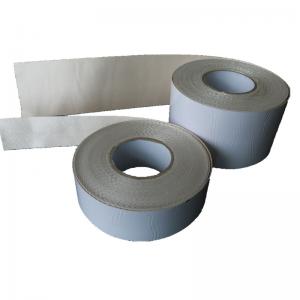
بي إس تي فليكسشريط سيليكا مقاوم للحرارة العالية مع لاصق حساس للضغطيُصنع هذا المنتج من قماش السيليكا المقطّع إلى شريط، ويُزوّد بطبقة لاصقة. وهو مُخصّص لحماية الخراطيم والكابلات والأنابيب الصناعية، حيث تُسهّل الطبقة اللاصقة عملية التغليف والتثبيت قبل إتمام التركيب.
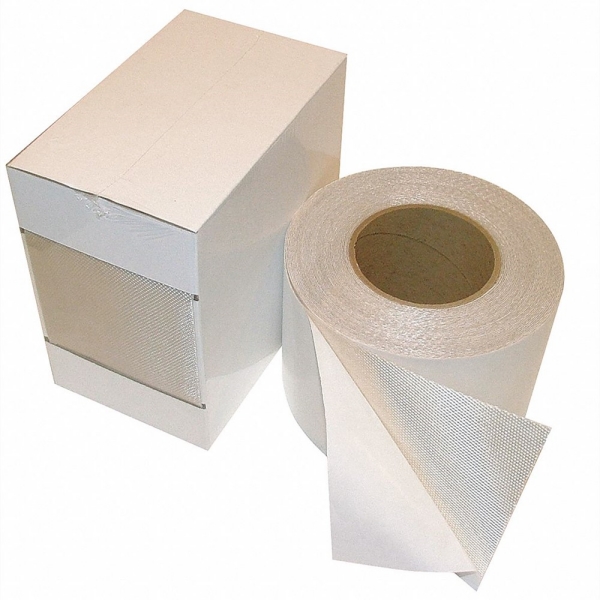
PSA تعنيلاصق حساس للضغطعلى عكس المادة اللاصقة المعالجة بالحرارة، فإن المادة اللاصقة الحساسة للضغط (PSA) تكتسب قوة الالتصاق عند الضغط على الشريط مقابل سطح مناسب.
في شريط العزل المصنوع من السيليكا، تُستخدم المادة اللاصقة بشكل أساسي كأداة مساعدة في التركيب. ويمكن أن تساعد القائم بالتركيب على ما يلي:
هذا التمييز مهم لأن المادة اللاصقة والنسيج السيليكي يؤديان وظائف مختلفة. توفر طبقة السيليكا الحماية الحرارية، بينما توفر المادة اللاصقة الحساسة للضغط الالتصاق والتثبيت.
لا. يجب عدم إسناد قدرة النسيج السيليكا على تحمل درجات الحرارة تلقائيًا إلى الطبقة اللاصقة الخلفية.
يمكن للنسيج عالي السيليكا أن يظل فعالاً في درجات حرارة أعلى بكثير من نطاق التشغيل الطبيعي للعديد من المواد اللاصقة الحساسة للضغط. عند ارتفاع درجة حرارة التركيب، قد يلين اللاصق، أو يفقد لزوجته، أو يتفحم، أو يتحلل، بينما تبقى طبقة السيليكا في مكانها.
ولهذا السبب، ينبغي أن تحدد المواصفات الصناعية سؤالين منفصلين على الأقل يتعلقان بدرجة الحرارة:
| عنصر | ما يجب على المشتري تأكيده |
|---|---|
| نسيج السيليكا | درجة حرارة التشغيل المستمر وأي حدود للتعرض لفترات قصيرة لبنية النسيج المحددة. |
| دعامة PSA | درجة حرارة التطبيق الموصى بها، ونطاق درجة حرارة التشغيل، وما إذا كان اللاصق مخصصًا فقط لتحديد موضع التركيب. |
| تم الانتهاء من التجميع | سواء كان التثبيت الميكانيكي أو التداخل أو المشابك أو الروابط أو أي طريقة تثبيت أخرى مطلوبة أثناء الخدمة. |
إذا كان الاقتباس ينص فقط على "شريط السيليكا المصنف حتى 982 درجة مئوية"، فإن ذلك لا يثبت في حد ذاته أن المادة اللاصقة الحساسة للضغط ستظل لاصقة عند 982 درجة مئوية.
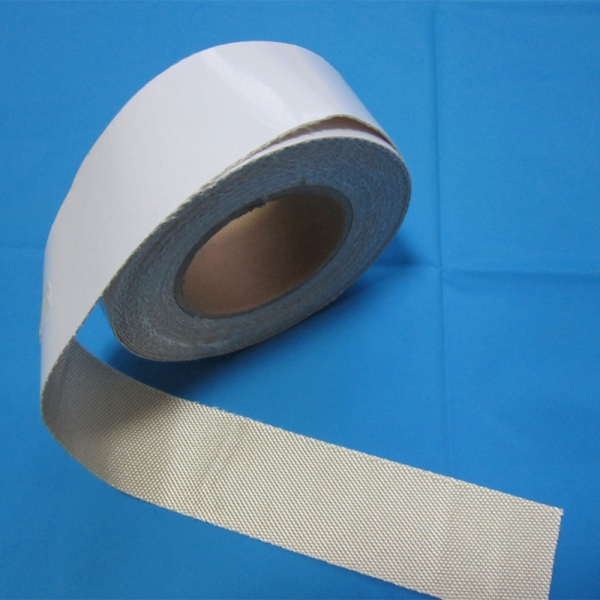
تعتمد الإجابة على التركيب الكيميائي للمادة اللاصقة، ووزن الطبقة، والركيزة، وحالة السطح، ومدة التعرض. قد يختلف سلوك المادة اللاصقة الحساسة للضغط المستخدمة على المنسوجات عالية الحرارة عند درجات الحرارة المعتدلة عما هو عليه بالقرب من الفرن أو خط الإنتاج الساخن.
تشمل التغييرات المحتملة ما يلي:
لهذا السبب، لا ينبغي اعتبار مادة PSA هي طريقة التثبيت الوحيدة طويلة الأمد إلا إذا تم تأهيل نظام اللصق لظروف التشغيل المحددة.
لأن عملية التركيب نفسها جزء مهم من العمل.
قد يكون لف شريط السيليكا المرن حول خرطوم أو كابل أو أنبوب طويل أمرًا صعبًا عندما تتحرك اللفة الأولى أو ينفتح التداخل قبل أن يصل الفني إلى نقطة التثبيت. يمكن أن تجعل الطبقة اللاصقة هذه العملية أكثر اتساقًا.
وبالتالي، يمكن أن تضيف مادة PSA قيمة حتى عندما لا يُتوقع منها توفير التصاق دائم طوال فترة الخدمة الكاملة.
إحدى الطرق المفيدة للتفكير في عملية البناء هي:
PSA = أداة تحديد المواقع
شريط السيليكا = طبقة حماية حرارية
التثبيت الميكانيكي = تأمين طويل الأمد عند الحاجة
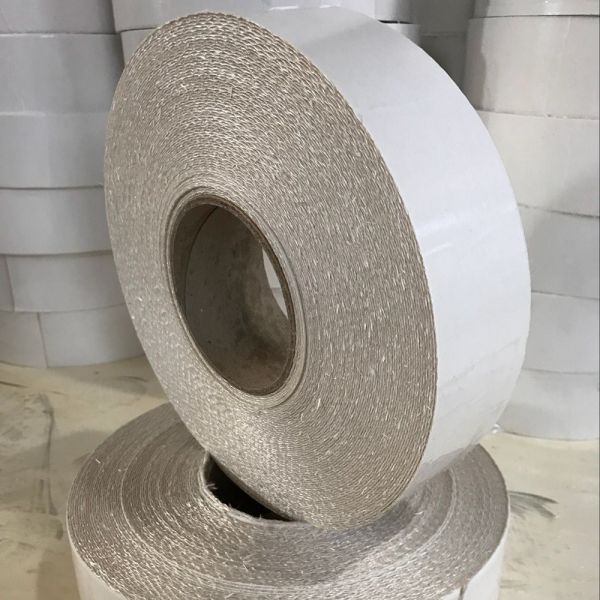
إذا تم تركيب الشريط في مكان قد تنخفض فيه فعالية المادة اللاصقة أثناء التشغيل، فحدد طريقة تثبيت ثانوية مناسبة.
بحسب نوع المعدات، قد يشمل ذلك ما يلي:
يجب أن تتناسب طريقة التثبيت مع الخرطوم أو الكابل أو الأنبوب الموجود أسفله. تجنب استخدام طريقة تثبيت تقطع غطاء الخرطوم، أو تُتلف العزل الكهربائي، أو تُسبب حملاً نقطياً غير مقبول.
حتى عندما يتم استخدام المادة اللاصقة بشكل أساسي للتثبيت المؤقت، فإن سطح التركيب يؤثر على قوة الالتصاق الأولية.
قبل الاستخدام، تأكد من أن السطح متوافق مع المادة اللاصقة وخالٍ من الغبار السائب والزيوت الثقيلة والتكثيف وأي ملوثات أخرى تمنع التلامس. يجب وضع الشريط بضغط قوي لضمان تغطية المادة اللاصقة للسطح بالكامل.
قد تؤدي الأسطح شديدة البرودة، أو القوالب الخشنة، أو العزل ذو الملمس الخشن، أو الخراطيم الملوثة إلى تقليل الالتصاق الأولي. في الحالات التي يكون فيها الالتصاق الأولي بالغ الأهمية، يُنصح بتقييم عينة على السطح الفعلي قبل استخدامها في الإنتاج.
لا ينبغي اعتبار شريط السيليكا المدعوم بمادة لاصقة وشريط السيليكا المنسوج الضيق منتجات متطابقة تلقائيًا.
أشريط السيليكا المشقوقمصنوعة من قماش السيليكا العريض. ولأن الحواف الطولية مقطوعة، فقد يحدث بعض التلف في الحواف تبعاً لبنية القماش وطريقة التعامل معه.
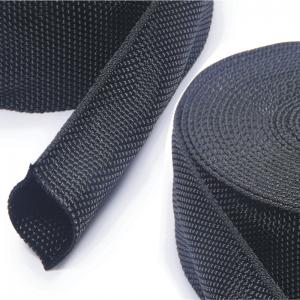
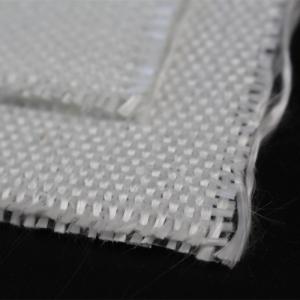
أشريط سيليكا منسوجيتم نسجها حتى عرضها النهائي، وبالتالي فإن لها حواف طولية منسوجة.
توريدات BSTFLEXشريط منسوج من السيليكا مقاوم لدرجات الحرارة العاليةبالنسبة للتطبيقات التي يفضل فيها استخدام بنية منسوجة ضيقة، في حين أن النسخة المشقوقة المدعومة بمادة لاصقة حساسة للضغط مفيدة عندما يكون تحديد موضع التركيب شرطًا أساسيًا.
ينبغي أن يستند الاختيار إلى البنية، والتعامل، وحالة الحافة، والأبعاد، وطريقة التركيب بدلاً من مجرد اختيار أي منتج يحتوي اسمه على "شريط السيليكا".
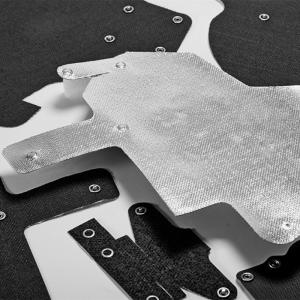
يمكن استخدام شريط السيليكا اللاصق للتغليف الحراري الموضعي والتثبيت حول المكونات الصناعية مثل:
لكل استخدام، حدد أولاً درجة الحرارة التي تصل إلى الشريط وأقصى درجة حرارة يتحملها المكون المحمي. لا يؤثر تركيب غلاف السيليكا على تصنيف درجة الحرارة الأصلي للخرطوم أو الكابل أو الأنبوب الموجود أسفله.
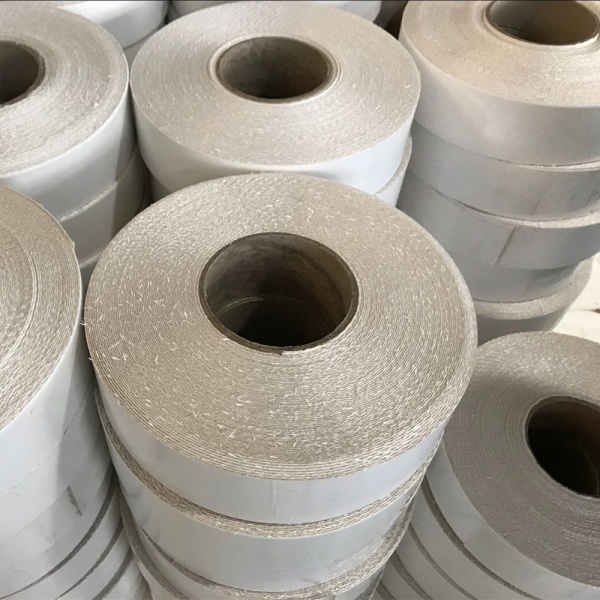
ينبغي أن يفصل طلب تقديم العروض الواضح بين متطلبات المنسوجات ومتطلبات المواد اللاصقة.
| بند طلب عرض الأسعار | المعلومات التي يجب تقديمها |
|---|---|
| طلب | تفاصيل الخرطوم أو الكابل أو الأنبوب أو المواسير أو المعدات |
| درجة حرارة طبيعية | التعرض المستمر المتوقع في موضع الشريط |
| ذروة التعرض | أقصى درجة حرارة ومدة قصيرة |
| أبعاد الشريط | العرض المطلوب، والسماكة، وطول اللفة، أو طول القطع |
| متطلبات قانون الخدمة العامة | مساعدة التركيب أو سند الخدمة المطلوب |
| حفظ | الأسلاك، والمشابك، والروابط، أو أي أدوات تثبيت ميكانيكية أخرى |
| كمية | النموذج الأولي، أو دفعة الإنتاج، أو التوريد المتكرر |
تتيح هذه المعلومات للمورد مناقشة بنية النسيج ونظام اللصق بشكل منفصل بدلاً من التعامل معهما كتصنيف واحد لدرجة الحرارة.
يعتمد ذلك على درجة الحرارة الفعلية، ونظام اللصق، والسطح، والهندسة، وظروف الخدمة.
في درجات الحرارة المنخفضة والأسطح المناسبة، قد يستمر اللاصق في توفير قوة تثبيت فعالة. أما في البيئات الحرارية القاسية، فإن النهج الأكثر أمانًا هو اعتبار اللاصق مجرد أداة مساعدة في التركيب، ما لم تُظهر بيانات الاختبار الخاصة بالبنية المحددة خلاف ذلك.
عندما يكون الاحتفاظ طويل الأمد مهماً، حدد طريقة التثبيت الميكانيكي في رسم المعدات أو تعليمات العمل.
قبل الموافقة على مواصفات الإنتاج، تأكد مما يلي:
بالنسبة للمعدات الحيوية، يجب تأهيل عينة تمثيلية في ظل ظروف التركيب والتشغيل الفعلية بدلاً من الموافقة على المنتج بناءً على رقم درجة الحرارة الرئيسي فقط.
توريدات BSTFLEXشريط سيليكا مقاوم للحرارة العالية مع لاصق حساس للضغطلأغراض الحماية الحرارية الصناعية ومتطلبات التركيب.
عند طلب عرض أسعار، يرجى تقديم أبعاد الشريط، ودرجة حرارة التشغيل، والمكون المحمي، والكمية، وما إذا كان اللاصق مطلوبًا فقط لتحديد الموضع أو للاستمرار في اللصق أثناء الخدمة.
أما بالنسبة لأنواع الإنشاءات النسيجية الصناعية الأخرى، فقارن بـمجموعة أشرطة BSTFLEX الصناعية المقاومة لدرجات الحرارة العالية.

 English
 français
 Deutsch
 русский
 italiano
 español
 português
 Nederlands
 日本語
日本語 한국의
한국의 Türkçe
 Polski
 Tiếng Việt
 slovenský
 Indonesia