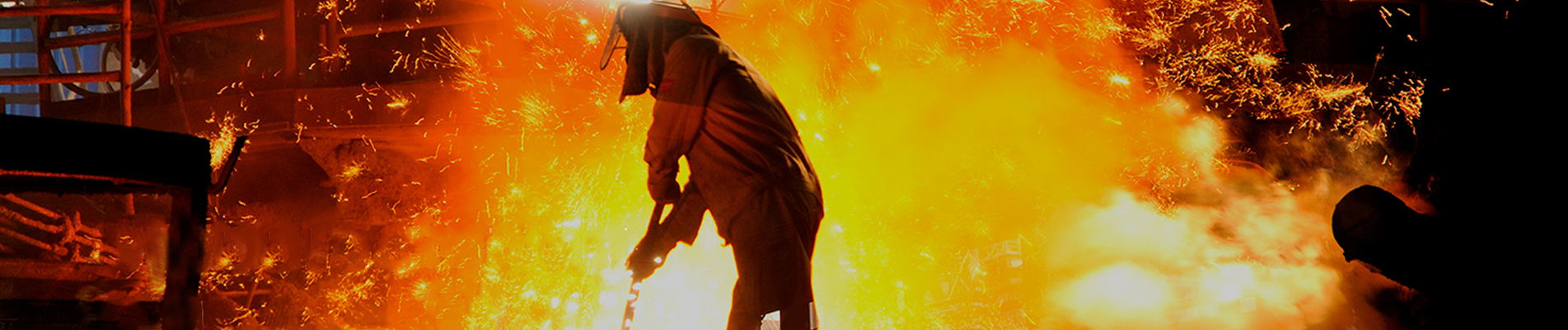
غالباً ما يُساء فهم تصنيف درجة حرارة قماش الألياف الزجاجية المطلي بالسيليكون. قد تنص المواصفات على أن قماش الألياف الزجاجية الأساسي يمكنه تحمل حوالي 550 درجة مئوية، بينما يتمتع القماش المطلي بالسيليكون النهائي بدرجة حرارة تشغيل مستمرة أقل بكثير. كلا الرقمين يمكن أن يكونا صحيحين لأنهما يشيران إلى أجزاء مختلفة من نفس المادة المركبة.
يتم التحكم في حد درجة الحرارة العملي لقماش الألياف الزجاجية المطلي بالسيليكون عادةً بواسطة طلاء السيليكون، وليس بواسطة ألياف الزجاج المنسوجة وحدها. يمكن أن تؤثر تركيبة السيليكون، ووزن الطلاء، ومدة التعرض، وتدفق الهواء، والحرارة المشعة، والإجهاد الميكانيكي، وهيكل نظام العزل النهائي على عمر الخدمة.
بالنسبة للتطبيقات الصناعية، فإن السؤال الصحيح ليس ببساطة "ما مدى سخونة الألياف الزجاجية؟" بل هو:ما هي درجة الحرارة التي تصل فعلياً إلى السطح المطلي بالسيليكون، ولمدة كم؟
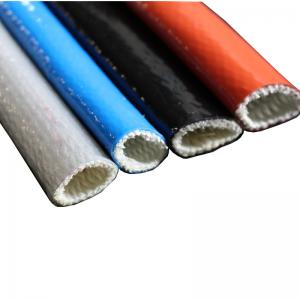
لمواصفات مواد BSTFLEX والتركيبات المتاحة، انظرقماش الألياف الزجاجية المطلي بالسيليكون للعزل بدرجات حرارة عالية.
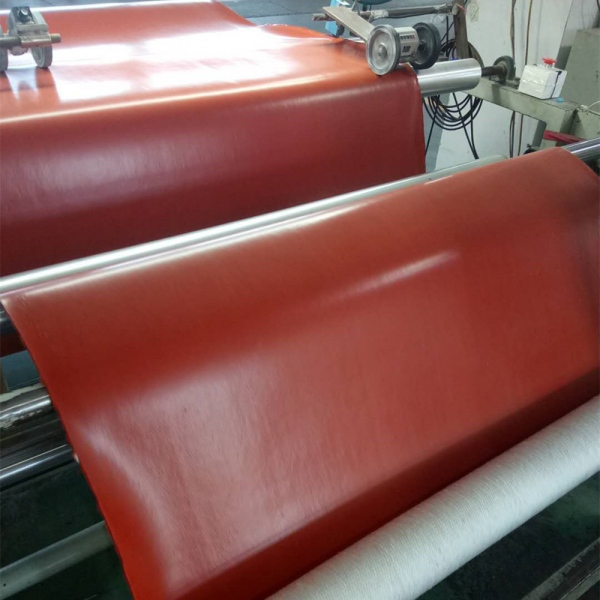
لا يوجد تصنيف واحد لدرجة الحرارة ينطبق على كل قماش ألياف زجاجية مطلي بالسيليكون.
يستخدم المصنعون المختلفون تركيبات سيليكون مختلفة، وأقمشة أساسية، وأوزان طلاء، وأنظمة معالجة مختلفة. ولهذا السبب، يمكن أن تختلف درجات حرارة التشغيل المستمرة المنشورة لأقمشة الألياف الزجاجية الصناعية المطلية بالسيليكون حسب درجة المنتج.
يتم تحديد العديد من مواد الألياف الزجاجية المطلية بالسيليكون التجارية عند حوالي 260 درجة مئوية / 500 درجة فهرنهايت للخدمة المستمرة. قد تكون ركيزة الألياف الزجاجية E-glass المنسوجة نفسها قادرة على تحمل حوالي 550 درجة مئوية / 1022 درجة فهرنهايت في ظل ظروف مناسبة. ومع ذلك، لا ينبغي استخدام درجة حرارة الألياف الزجاجية الأعلى تلقائياً كتصنيف خدمة للمركب المطلي.
تقوم BSTFLEX أيضاً بتصنيع تركيبات ألياف زجاجية مطلية بالسيليكون خاصة بالتطبيقات مع أداء حراري يتم تحديده بواسطة نظام السيليكون المختار ومواصفات القماش. بالنسبة لتركيبة المنتج الحالية p216، يميز دليل الاختيار المنشور بين درجة حرارة قاعدة الألياف الزجاجية وقدرة درجة الحرارة المستمرة وقصيرة المدى للمادة المطلية.
يعد فهم الفرق بين تصنيفي درجة الحرارة هذين أمراً ضرورياً عند تحديد المادة.
| مكون المادة | اعتبار درجة الحرارة | ماذا يعني ذلك |
|---|---|---|
| قماش قاعدة الألياف الزجاجية | حوالي 550 درجة مئوية / 1022 درجة فهرنهايت اعتماداً على التركيب | يمكن لتعزيز الزجاج المنسوج الاحتفاظ بخصائص هيكلية مفيدة في درجات حرارة أعلى من معظم طلاءات السيليكون. |
| طلاء السيليكون | يعتمد على الدرجة | يحدد طلاء البوليمر عادةً درجة حرارة السطح المستمرة العملية للقماش المطلي النهائي. |
| القماش المطلي النهائي | يجب اتباع مواصفات المنتج المحددة | لا ينبغي تصنيف المركب الكامل تلقائياً وفقاً لدرجة حرارة الألياف الزجاجية العارية. |
| التعرض قصير المدى | عادة ما يكون أعلى من الخدمة المستمرة | تكون درجة الحرارة القصوى ذات مغزى فقط عند تحديد المدة المسموح بها وظروف التعرض. |
يوضح هذا التمييز سبب أن رؤية "ألياف زجاجية 550 درجة مئوية" في المواصفات لا يعني أن قماش الألياف الزجاجية المطلي بالسيليكون يجب أن يعمل باستمرار عند 550 درجة مئوية.
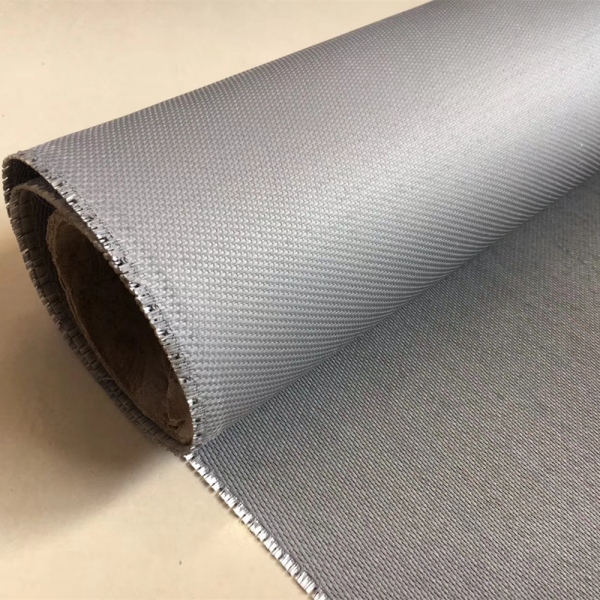
الألياف الزجاجية هي ألياف زجاجية غير عضوية. مطاط السيليكون مادة بوليمرية. وهي تستجيب بشكل مختلف عند تعرضها لدرجات حرارة مرتفعة.
يوفر تعزيز الألياف الزجاجية:
يخدم طلاء السيليكون غرضاً مختلفاً. يمكن أن يوفر:
مع ارتفاع درجة الحرارة عن نطاق التشغيل المقصود للطلاء، قد يتصلب السيليكون تدريجياً، أو يتغير لونه، أو يفقد مرونته، أو يتدهور، على الرغم من أن تعزيز الألياف الزجاجية تحته يظل موجوداً من الناحية الهيكلية.
ولهذا السبب فإن حالة الألياف الزجاجية وحدها لا تكفي لتحديد ما إذا كان القماش المطلي لا يزال يعمل بشكل صحيح.
مصدر آخر شائع للارتباك هو الفرق بين درجة حرارة التشغيل المستمرة ودرجة الحرارة قصيرة المدى أو المتقطعة.
تصف درجة الحرارة المستمرة البيئة الحرارية التي من المتوقع أن يظل القماش المختار فيها قيد الخدمة لفترات طويلة مع الحفاظ على الخصائص الوظيفية المطلوبة.
بالنسبة لسترة العزل أو وصلة التمدد، قد يعني هذا مئات أو آلاف ساعات التشغيل. ولذلك فإن التعرض طويل الأمد أكثر تطلباً بكثير من ارتفاع درجة الحرارة لفترة وجيزة.
تشير درجة الحرارة قصيرة المدى إلى درجة حرارة أعلى قد يتعرض لها المادة بشكل مؤقت.
يجب أن تحدد المواصفات المفيدة قصيرة المدى دائماً ما يلي:
إن صمود المادة أمام درجة حرارة عالية لعدة دقائق لا يعني أنها تستطيع العمل بشكل مستمر عند تلك الدرجة.
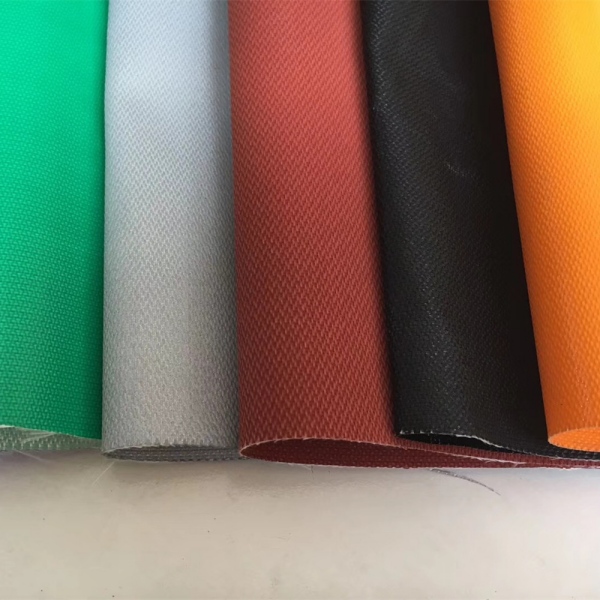
بالنسبة للعديد من منتجات الألياف الزجاجية المطلية بالسيليكون الصناعية، فإن 500°F / 260°C تقريباً هي درجة حرارة تشغيل مستمرة منشورة بشكل شائع.
يجب التعامل مع هذا كمرجع صناعي شائع بدلاً من كونه مواصفة عالمية. قد يكون للمواد الفردية تصنيفات معتمدة أقل أو أعلى اعتماداً على تركيبة السيليكون وكمية الطلاء وهيكل القماش.
لذلك يجب على المشترين الصناعيين تحديد درجة حرارة التشغيل المطلوبة والحصول على التصنيف للدرجة الدقيقة التي يتم شراؤها بدلاً من افتراض أن كل قماش ألياف زجاجية سيليكوني يعمل بشكل متطابق.
قد يتم تحديد بعض هياكل الألياف الزجاجية المطلية بالسيليكون للخدمة التي تقترب من 300°C، اعتماداً على تركيبة السيليكون وظروف التشغيل.
ومع ذلك، لا ينبغي تطبيق 300°C تلقائياً على كل قماش ألياف زجاجية سيليكوني في السوق.
بالنسبة لمشروع BSTFLEX الذي يتطلب التشغيل في نطاق درجة الحرارة هذا، يجب اختيار المادة وفقاً لنظام الطلاء المحدد، ومدة الخدمة المطلوبة، ودرجة الحرارة الفعلية التي تصل إلى الوجه المطلي.
إذا كان التطبيق يعمل بشكل مستمر بالقرب من الحد الأعلى لطلاء السيليكون، فيجب مراعاة هامش هندسي إضافي بدلاً من تصميم النظام بالضبط عند الحد الأقصى المنشور.
قد تكون ركيزة الألياف الزجاجية مناسبة لدرجات الحرارة حول هذا النطاق اعتماداً على تركيبها وهيكلها، ولكن هذا لا يعني أن المركب المطلي بالسيليكون يجب أن يتعرض باستمرار لـ 550°C.
عند درجة الحرارة هذه، سيكون طلاء السيليكون التقليدي هو المكون المحدد للقدرة.
إذا كانت طبقة القماش الفعلية ستتعرض لدرجات حرارة تقترب من 550°C، فيجب عادةً تقييم معالجة سطحية مختلفة أو نسيج مختلف يتحمل درجات حرارة عالية.
اعتماداً على التطبيق، قد تشمل البدائل ما يلي:قماش الألياف الزجاجية المطلي بالفيرميكوليتأو نسيج سيليكا يتحمل درجات حرارة أعلى مثلقماش السيليكا عالي الحرارة بنسبة 96%.
درجة حرارة 1000 درجة فهرنهايت تعادل تقريبًا 538 درجة مئوية. وهذا قريب من قدرة تحمل درجة الحرارة المشار إليها عادةً لتعزيز الألياف الزجاجية نفسها، ولكنه أعلى بكثير من تصنيف درجة الحرارة المستمرة العادية لطلاءات مطاط السيليكون التقليدية.
لذلك، لا ينبغي تفسير عبارة مثل "الألياف الزجاجية تتحمل 1000 درجة فهرنهايت" على أنها تعني أن مركب الألياف الزجاجية المطلي بالسيليكون يمكنه العمل بشكل مستمر مع سطحه المطلي عند 1000 درجة فهرنهايت.
بالنسبة لدرجات الحرارة في هذا النطاق، يجب تصميم مادة الوجه الساخن ونظام العزل بحيث تظل الطبقة المطلية بالسيليكون ضمن نطاق درجة الحرارة المعتمد لها، أو يجب اختيار نسيج ذو درجة حرارة أعلى.
هذا التمييز مهم بشكل خاص لأغطية العزل القابلة للإزالة.
قد يعمل الأنبوب أو الصمام أو التوربين أو مكون العادم عند درجة حرارة أعلى بكثير من درجة الحرارة المسموح بها للنسيج الخارجي المطلي بالسيليكون. وهذا لا يمنع تلقائيًا استخدام الألياف الزجاجية السيليكونية كمادة تغليف خارجية.
قد يحتوي نظام العزل النموذجي القابل للإزالة على:
تعمل طبقة العزل على تقليل درجة الحرارة التي تصل إلى الغلاف الخارجي. لذلك، يمكن للمكون الذي يعمل عند عدة مئات من الدرجات المئوية أن يستخدم الألياف الزجاجية المطلية بالسيليكون خارجيًا إذا كان نظام العزل المكتمل يحافظ على النسيج الخارجي ضمن درجة حرارة الخدمة المعتمدة له.
هذا أحد الأسباب التي تجعل الألياف الزجاجية المطلية بالسيليكون تستخدم على نطاق واسع في أغطية العزل القابلة للإزالة .
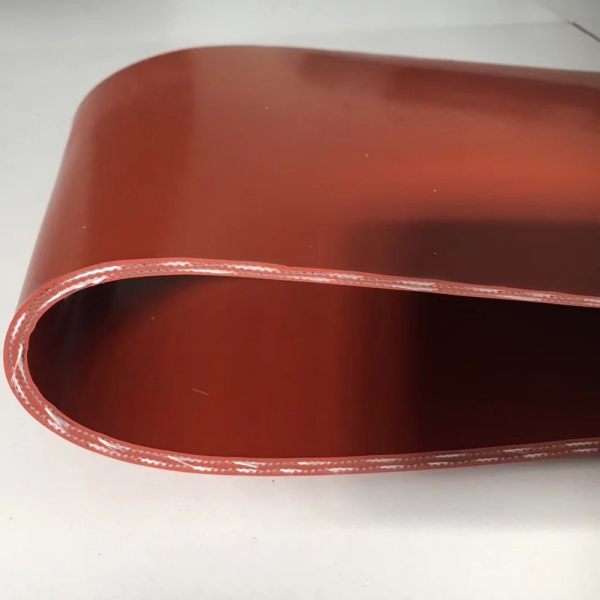
عند تحديد النسيج الخارجي لنظام العزل، تكون درجة الحرارة عند الطبقة المطلية بالسيليكون مفيدة عادةً أكثر من درجة حرارة العملية الداخلية.
على سبيل المثال، ضع في اعتبارك صمامًا ساخنًا يعمل عند 450 درجة مئوية.
إذا كان العزل بين الصمام والغلاف الخارجي المطلي بالسيليكون يقلل من درجة حرارة السطح الخارجي إلى نطاق مقبول، فقد تكون الألياف الزجاجية المطلية بالسيليكون مناسبة كطبقة خارجية.
إذا تم وضع نسيج السيليكون مباشرة مقابل الصمام الذي تبلغ حرارته 450 درجة مئوية، فإن الوضع يختلف تمامًا.
لذلك، فإن طلب عرض الأسعار (RFQ) الذي ينص ببساطة على "درجة حرارة المعدات: 450 درجة مئوية" لا يوفر معلومات كافية لاختيار النسيج المطلي الصحيح.
يمكن لقطعتين من قماش الألياف الزجاجية المطلي بالسيليكون أن يكون لهما مظهر متشابه ولكن أداء مختلف في الخدمة. تؤثر عدة عوامل على قدرة تحمل درجة الحرارة وعمر الخدمة.
تستخدم مركبات مطاط السيليكون المختلفة أنظمة بوليمر وحشوات وأصباغ وإضافات مختلفة. كيمياء الطلاء لها تأثير مباشر على مقاومة الحرارة على المدى الطويل.
الطلاء السطحي الخفيف والنسيج المطلي بكثافة ليسا منتجين متطابقين.
يؤثر وزن الطلاء على السماكة والمرونة ومقاومة التآكل وأداء الختم والكتلة الحرارية للسطح المطلي.
يؤثر النسيج ونوع الخيط والوزن وسماكة تعزيز الألياف الزجاجية على الاستقرار الأبعادي والأداء الميكانيكي.
يمكن أن يؤدي وضع السيليكون على كلا الجانبين إلى تحسين حماية السطح على كلا الوجهين، لكن الطلاء المزدوج لا يعني تلقائيًا تصنيف درجة حرارة أعلى.
لا يزال أداء درجة الحرارة يعتمد بشكل أساسي على كيمياء السيليكون والبنية الكاملة.
عشر ثوانٍ، وعشر دقائق، وعشرة آلاف ساعة تشغيل عند نفس درجة الحرارة هي ظروف حرارية مختلفة تمامًا.
يمكن للطاقة المشعة القوية أن تسخن السطح المطلي حتى عندما تبدو درجة حرارة الهواء المحيط معتدلة.
يمكن أن يؤدي التلامس المباشر مع سطح معدني ساخن إلى درجة حرارة موضعية أكثر شدة من التعرض للهواء الساخن المحيط.
يمكن لتدفق الهواء القسري إما تبريد النسيج أو توصيل الغازات الساخنة باستمرار إلى سطحه، وذلك اعتماداً على تصميم النظام.
يمكن للتلوث الكيميائي أن يغير أداء الطلاء، خاصة عند دمجه مع درجات حرارة مرتفعة.
تتعرض وصلة التمدد أو الموصل المرن لدورات ميكانيكية في نفس وقت التعرض الحراري. ولذلك، فإن مقاومة درجة الحرارة وحدها لا تكفي للتنبؤ بعمر الخدمة.
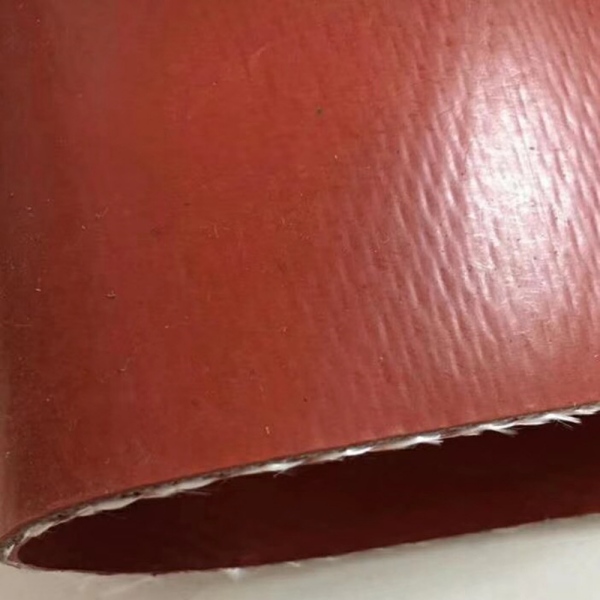
يُستخدم نسيج الألياف الزجاجية المطلي بالسيليكون على نطاق واسع كمادة غلاف خارجي لسترات العزل القابلة للإزالة لأن الطبقة الخارجية تعمل عادةً عند درجة حرارة أقل بكثير من المعدات التي يتم عزلها.
لهذا التطبيق، حدد ما يلي:
يجب بعد ذلك اختيار النسيج كجزء من مجموعة العزل الكاملة بدلاً من اختياره بشكل مستقل.
تمثل وصلات التمدد النسيجية مشكلة تصميم مختلفة لأن العنصر المرن قد يتعرض للغازات الساخنة والضغط والاهتزاز والحركة المستمرة.
يمكن استخدام نسيج الألياف الزجاجية المطلي بالسيليكون في طبقات مختارة من وصلة تمدد نسيجية غير معدنية ، ولكن يجب أن تظل درجة الحرارة عند تلك الطبقة المحددة ضمن حدود تصميم المادة.
قد تتطلب درجات حرارة الغاز الأعلى وسادة عزل داخلية، أو طبقة حرارية، أو شبكة سلكية من الفولاذ المقاوم للصدأ، أو نسيج السيليكا، أو حاجزاً حرارياً آخر قبل الطبقة المطلية بالسيليكون.
لا تتعرض بطانية اللحام لنفس الظروف الحرارية التي تتعرض لها سترة العزل.
قد تتضمن تطبيقات اللحام ما يلي:
لذلك، لا يمكن لتصنيف درجة الحرارة المستمرة وحده تحديد ما إذا كان النسيج مناسباً لحماية اللحام.
بالنسبة للتعرض الأكثر شدة للحام أو رذاذ المعدن المنصهر، قد يكون نسيج الألياف الزجاجية المطلي بالفيرميكوليت أو نسيج السيليكا العالي أكثر ملاءمة من مادة قياسية مطلية بالسيليكون.
انظر مجموعة حماية منطقة اللحام واللحام بالقصدير الخاصة بنا للحصول على خيارات إضافية للمواد.
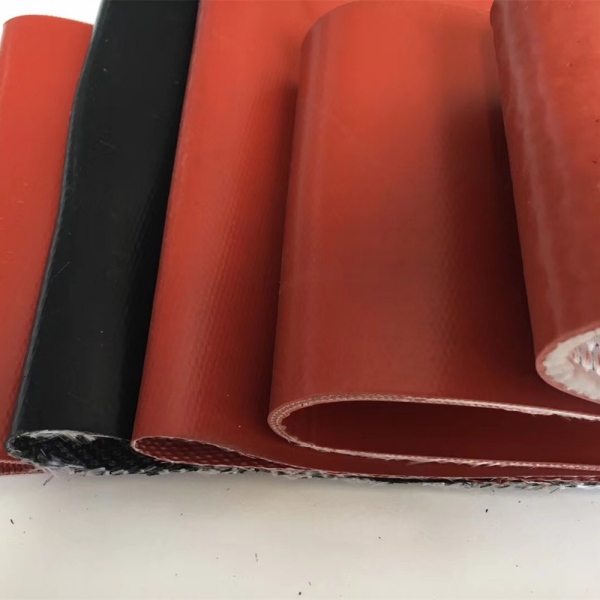
لا ينبغي افتراض أن المادة الموصوفة بأنها مقاومة للهب أو مقاومة للحريق أو غير قابلة للاحتراق لها تصنيف درجة حرارة مستمرة معين تلقائيًا.
هذه المواصفات تجيب على أسئلة مختلفة.
| الخاصية | ما تصفه |
|---|---|
| درجة الحرارة المستمرة | قدرة التعرض الحراري طويل الأمد |
| درجة الحرارة المتقطعة | التعرض لدرجات حرارة أعلى لفترة قصيرة |
| مقاومة اللهب | السلوك عند التعرض للهب تحت اختبار محدد |
| مقاومة تطاير اللحام | المقاومة للجسيمات الساخنة أو القطرات المنصهرة |
| مقاومة الحرارة الإشعاعية | الأداء تحت الإشعاع الحراري بالأشعة تحت الحمراء |
| مقاومة الاحتراق النافذ | القدرة على منع الاختراق تحت ظروف حرارة أو لهب محددة |
بالنسبة للتطبيقات الخاضعة للتنظيم أو الحساسة للسلامة، يجب على المشترين تحديد طريقة الاختبار المطلوبة بدلاً من الاعتماد على أوصاف عامة مثل "قماش مقاوم للحريق".
ارتفاع درجة الحرارة لا يسبب بالضرورة فشلاً كارثياً فورياً. يمكن أن يتطور التدهور تدريجياً.
اعتماداً على تركيبة الطلاء والظروف، يمكن أن تشمل العلامات ما يلي:
قد تظل تقوية الألياف الزجاجية سليمة بعد أن يفقد سطح السيليكون الخصائص التي كانت مهمة للتطبيق.
لهذا السبب، فإن فحص ما إذا كان القماش الزجاجي قد احترق فعلياً أم لا ليس طريقة كافية لتحديد درجة حرارة التشغيل المقبولة.
يجب التفكير في قماش السيليكا العالية عندما يجب أن يعمل النسيج نفسه بشكل مستمر في درجات حرارة أعلى من النطاق العملي للألياف الزجاجية المطلية بالسيليكون.
BSTFLEX قماش السيليكا عالي الحرارة بنسبة 96% مصمم لبيئات ذات درجات حرارة أعلى بكثير ويمكن استخدامه في تطبيقات مثل الحماية من الحرارة الشديدة، وحماية الأفران، وأنظمة اللحام، والإدارة الحرارية للعادم.
المقايضة هي أن قماش السيليكا العادي لا يوفر نفس النوع من خصائص سطح مطاط السيليكون. لذلك يجب أن يعتمد اختيار المواد على المزيج الفعلي من المتطلبات الحرارية والميكانيكية والبيئية.
تعتبر الألياف الزجاجية المطلية بالفيرميكوليت مفيدة حيث يكون المطلب الرئيسي هو المقاومة للحرارة الأكثر شدة أو الشرر أو التعرض للهب بدلاً من حماية سطح السيليكون المقاوم للرطوبة.
BSTFLEX قماش الألياف الزجاجية المطلي بالفيرميكوليت يتم اختياره عادةً لبطانيات اللحام، وستائر الأفران، والحواجز الحرارية، وغيرها من تطبيقات الحماية من درجات الحرارة العالية.
لاختيار المواد بدقة، تجنب إرسال قيمة واحدة فقط مثل "درجة الحرارة: 300°C".
يجب أن يحدد طلب عرض الأسعار (RFQ) الأفضل ما يلي:
| المعلومات | مثال |
|---|---|
| درجة حرارة المعدات | 450°C |
| درجة حرارة سطح القماش المتوقعة | 180°C |
| درجة حرارة التشغيل المستمر | 180°C |
| درجة الحرارة القصوى | 230°C |
| مدة الذروة | 5 دقائق |
| نوع الحرارة | غير مباشرة / إشعاعية / تلامس مباشر |
| التطبيق | سترة عزل قابلة للإزالة للصمامات |
| البيئة | خارجية، التعرض للزيوت |
تسمح هذه المعلومات للمورد بتحديد ما إذا كان الألياف الزجاجية المطلية بالسيليكون مناسبة وأي تركيبة يجب تقييمها.
لا توجد درجة حرارة قصوى عالمية لجميع الدرجات. تستخدم العديد من أقمشة الألياف الزجاجية المطلية بالسيليكون الصناعية حوالي 260°C / 500°F كمرجع للخدمة المستمرة، بينما قد يكون للتركيبات المحددة تصنيفات مختلفة. يجب دائماً التحقق من مواصفات المنتج الدقيقة.
تتمتع تقوية الألياف الزجاجية وطلاء بوليمر السيليكون بحدود حرارية مختلفة. يمكن للألياف الزجاجية الاحتفاظ بخصائصها الهيكلية في درجات حرارة أعلى من نطاق التشغيل العادي لسطح السيليكون، لذا لا ينبغي استخدام تصنيف الألياف الزجاجية الخام كتصنيف للقماش المطلي النهائي.
قد يتم تحديد بعض الدرجات المصممة خصيصاً لدرجات حرارة تقترب من هذا النطاق، ولكن 300°C ليست تصنيفاً عالمياً للألياف الزجاجية المطلية بالسيليكون. يجب مراعاة التعرض المستمر مقابل التعرض قصير المدى، وكيمياء السيليكون، ودرجة حرارة السطح المطلي الفعلية.
لا ينبغي افتراض أن الألياف الزجاجية المطلية بالسيليكون التقليدية مناسبة للتعرض المستمر للسطح المطلي عند 500°C. في مثل هذه الدرجات الحرارية، يجب تقييم أنظمة النسيج عالية السيليكا، أو المعالجة بالفيرميكوليت، أو غيرها من الأنظمة ذات درجات الحرارة الأعلى.
ربما كغلاف خارجي لنظام عزل مصمم بشكل صحيح، ولكن ليس بالضرورة في تلامس مباشر مع الأنبوب. القيمة الأساسية هي درجة الحرارة التي تصل إلى القماش المطلي بالسيليكون بعد أن يقلل نظام العزل من انتقال الحرارة.
ليس تلقائياً. يعمل الطلاء على الوجهين على تحسين تغطية السطح وقد يحسن أداء مقاومة الرطوبة والتآكل والتعامل على كلا الوجهين، ولكن القدرة على تحمل الحرارة تعتمد بشكل أساسي على تركيبة السيليكون وتركيبة القماش الكاملة.
لا. تصف درجة الحرارة قصيرة المدى التعرض المؤقت ويجب أن تتضمن مدة مسموحاً بها. درجة حرارة التشغيل المستمر هي القيمة الأكثر صلة بالمعدات التي تظل ساخنة لفترات طويلة.
اعتماداً على درجة الحرارة ونوع التعرض، قد تشمل الخيارات الألياف الزجاجية المطلية بالفيرميكوليت، أو قماش السيليكا العالي، أو منسوجات الألياف السيراميكية، أو نظام عزل متعدد الطبقات يحافظ على برودة الطبقة الخارجية المطلية بالسيليكون.
لا ينبغي أبدًا تقييم تصنيف درجة الحرارة كرقم واحد منعزل.
بالنسبة للعزل الصناعي، ووصلات التمدد، وحماية اللحام، وأنظمة الحرارة للمصنعين الأصليين (OEM)، توصي BSTFLEX بتحديد درجة الحرارة المستمرة، والذروة قصيرة المدى، ومدة التعرض، وموقع القماش داخل التجميع، والظروف البيئية.
للاطلاع على الهياكل المتاحة، وخيارات الطلاء، والمواصفات المخصصة، تفضل بزيارة قماش الألياف الزجاجية المغطى بالسيليكون من BSTFLEX للعزل الحراري العالي .
أرسل إلى BSTFLEX درجة حرارة التشغيل الخاصة بك، ودرجة حرارة سطح القماش المتوقعة، والسماكة أو الوزن المطلوب، وتكوين الطلاء، والعرض، والكمية، وتفاصيل التطبيق للحصول على دعم اختيار المواد، والعينات، وعروض الأسعار.

 English
 français
 Deutsch
 русский
 italiano
 español
 português
 Nederlands
 日本語
日本語 한국의
한국의 Türkçe
 Polski
 Tiếng Việt
 slovenský
 Indonesia