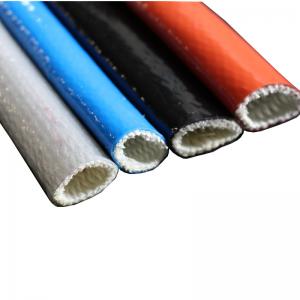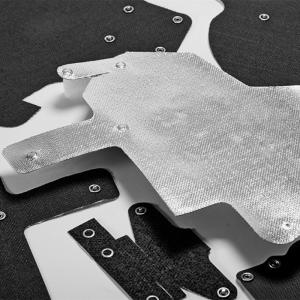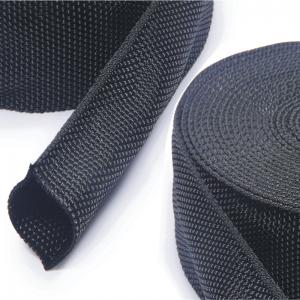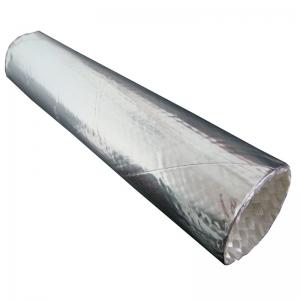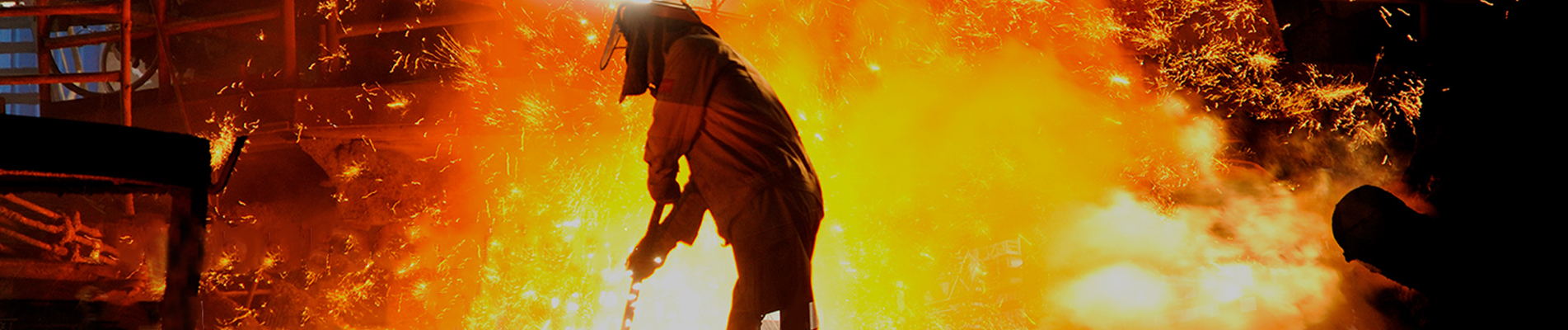
Welding blanket and curtain fabric is not one universal roll material. A fabric used as a hanging welding curtain faces a different load from a welding blanket placed over machinery, and a welding pad positioned directly below severe cutting work requires a different level of protection again.
For converters, distributors and OEM safety brands, the correct purchase begins by defining the finished product. The buyer should then specify the base fiber, coating, fabric weight, thickness, usable width, roll length, orientation, hot-particle exposure and required fabrication route.
BSTFLEX supplies welding blanket rolls and roll goods for local conversion into blankets, curtains, screens, pads, protective covers and industrial hot-work barriers. Full rolls, cut-to-length welding fabric, cut panels and finished products can be discussed according to the selected material and project requirements.
| Finished Product | Typical Position | Main Selection Concern |
|---|---|---|
| Welding blanket fabric | Draped over equipment, laid over surfaces or used as a flexible barrier | Sparks, spatter, abrasion, heat transfer and repeated handling |
| Welding curtain fabric | Suspended vertically around a work zone | Drape, hanging weight, reinforced top edge, grommets and repeated movement |
| Welding screen material | Mounted on a frame or temporary partition | Panel stability, attachment method and whether opaque thermal protection or optical arc screening is required |
| Welding pad material | Placed horizontally below severe hot work | Retained slag, molten spatter, burn-through resistance and backside heat transfer |
| Hot-work barrier fabric | Temporary wall, cover, enclosure or equipment shield | Application-specific heat, spark, spatter and installation requirements |
The same welding fabric roll should not automatically be approved for all five uses. Product names such as welding blanket, curtain, screen and pad describe different finished arrangements and can involve different exposure severity.
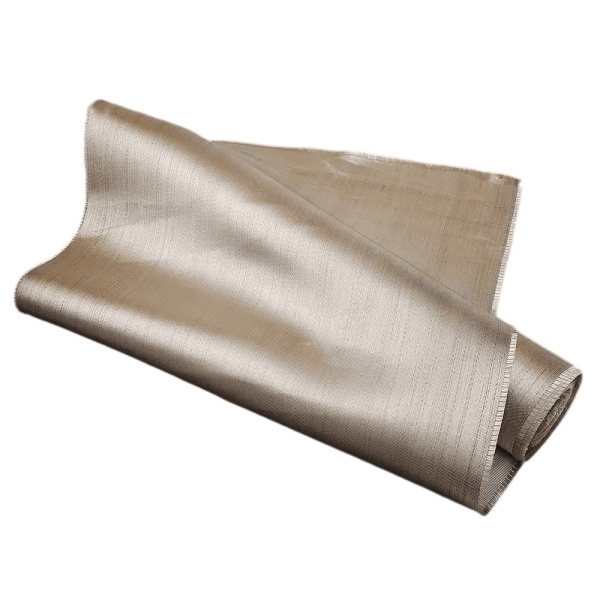
Welding blanket fabric is a heat-resistant textile used to manufacture flexible covers and barriers for welding, grinding, cutting and other hot-work operations. It can be supplied as a full roll, a cut length, a raw panel or a completed blanket with sewn edges and optional grommets.
Common buyer searches include:
A professional specification should describe the actual material construction rather than use these phrases as if they referred to one identical product.
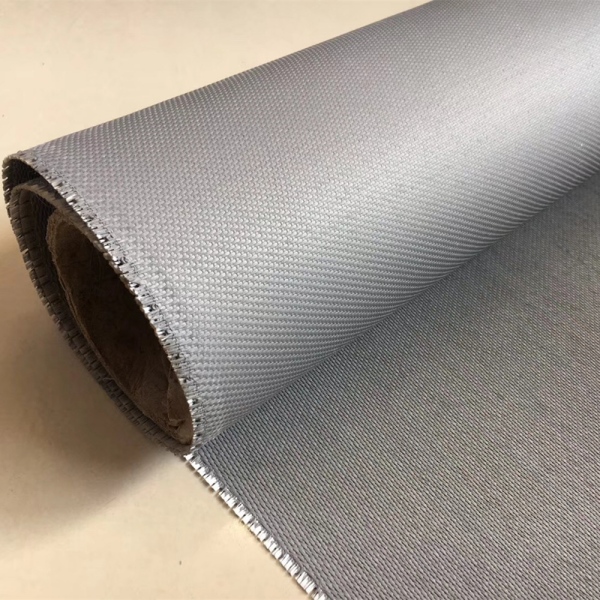
Welding curtain fabric is roll material intended for fabrication into hanging barriers around welding or grinding areas. It may also be described as welding curtain material, welding curtain roll, welding screen fabric or vertical hot-work barrier fabric.
A hanging curtain normally needs:
Where the buyer requires protection from welding arc ultraviolet and infrared radiation, that optical requirement must be specified separately. An opaque heat-resistant welding blanket material is not automatically equivalent to a transparent or translucent arc-screening product.
Welding screen material can refer to two different product groups:
This article addresses the first group: opaque high-temperature fabric used in welding screens, hot-work partitions and protective panels.
When requesting a welding screen fabric roll, state whether the finished screen must control sparks and heat only, or whether an optical welding-screen test route is also required.
Welding pad material is intended for horizontal use beneath more severe hot-work exposure. Hot particles can remain on a horizontal surface instead of falling away, increasing localized heat and backside temperature.
A buyer should not convert a light-duty vertical curtain fabric into a welding pad merely by cutting it into a different shape.
For welding pad fabric, provide details about:
A roll quotation is incomplete when it states only material, width and price. The supplier also needs to understand what the buyer will manufacture.
| Converter Output | Important Roll-Material Details |
|---|---|
| Finished welding blankets | Cutting yield, hem allowance, seam design, optional grommets and finished size tolerance |
| Hanging welding curtains | Drape, panel weight, reinforced top edge, grommet spacing and repeated flexing |
| Frame-mounted welding screens | Panel stability, attachment geometry, edge reinforcement and screen dimensions |
| Horizontal welding pads | Severe exposure, retained hot particles and backside heat transfer |
| Equipment covers | Conformability, cutouts, closures, repeated handling and surface sensitivity |
This product-first approach prevents a common purchasing error: buying an apparently suitable high-temperature roll and discovering later that it does not sew, drape, hang or protect as required.
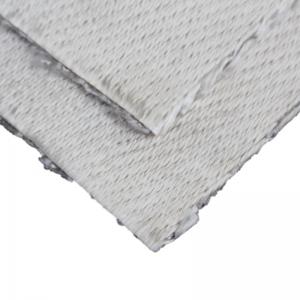
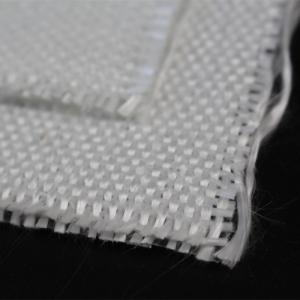
Heat-cleaned fiberglass is a practical starting point for economical general welding protection. It is an uncoated woven fiberglass textile that can be cut and sewn into blankets, curtains and spark barriers.
BSTFLEX Heat Cleaned Fiberglass Welding Blanket Roll is intended for converters, fabricators, distributors and OEM buyers that need flexible uncoated fiberglass roll goods.
Current listed roll formats include approximately:
This material family is commonly evaluated for:
It should not be selected for severe horizontal slag exposure without a separate application review.
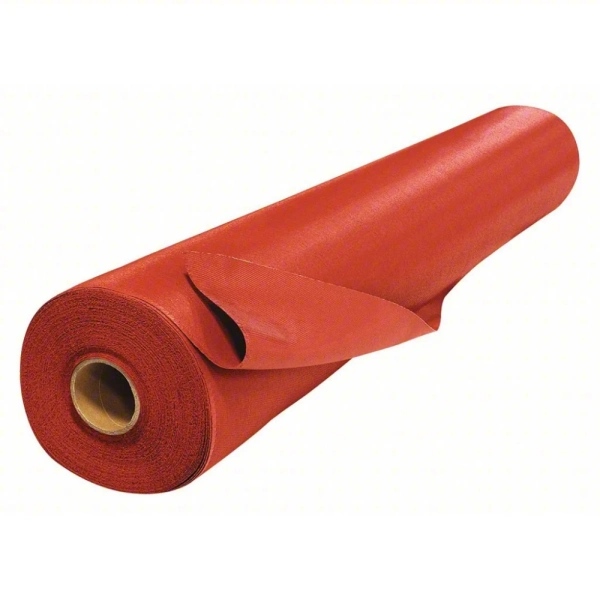
Acrylic treatment improves the surface stability and handling of fiberglass. The coating can reduce exposed fiber shedding and improve abrasion resistance during cutting, sewing, folding and repeated use.
BSTFLEX Acrylic Coated Fiberglass Welding Blanket Roll includes several constructions at approximately 0.45, 0.80 and 0.90 mm thickness.
Acrylic coated fiberglass can be considered for:
Acrylic coating mainly changes surface and handling performance. It should not be presented as an automatic increase in the maximum temperature of the complete material.
Silicone coated fiberglass combines a woven fiberglass substrate with an elastomeric surface. It is commonly evaluated where repeated handling, moisture, oil, workshop contamination or easier surface cleaning matter.
Potential converter uses include:
BSTFLEX supplies finished Silicone Coated Fiberglass Welding Blankets, and selected silicone coated fiberglass constructions can be discussed as roll material through the p314 roll-goods program.
The buyer should distinguish base-fabric weight, coating weight and total finished weight. The thermal limit of the silicone surface should also be checked separately from the fiberglass substrate.
Vermiculite coated fiberglass uses a mineral treatment rather than a polymer coating. It is selected for more demanding hot-work conditions where heat, sparks, spatter and abrasion are important.
BSTFLEX Vermiculite Coated Fiberglass Welding Blanket Roll currently covers approximately 615 to 1900 g/m² and 0.8 to 3.0 mm thickness, typically at approximately 100 cm × 50 m.
Relevant search and purchasing terms include:
A generic heavy-duty label is still not enough. The RFQ should state whether the material will hang vertically, lie horizontally, cover machinery or receive direct hot-particle contact.
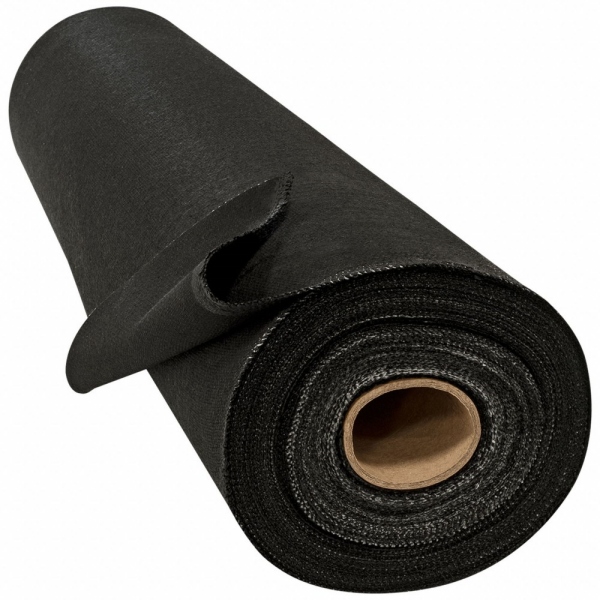
Silica fabric is evaluated when higher sustained thermal capability is required than conventional fiberglass constructions normally provide.
BSTFLEX manufactures Silica Fabric Welding Blankets using 70% and 96% silica cloth, including 18 oz and 36 oz finished-blanket constructions.
For roll-material purchasing, buyers should specify:
Useful commercial phrases include high silica welding blanket fabric, silica welding curtain material, silica welding screen fabric, high-temperature welding fabric roll and silica hot-work barrier fabric.
Silicone coated silica combines a higher-temperature silica substrate with a coated surface for applications that also require durability and handling performance.
BSTFLEX offers the finished Silicone Coated Silica Welding Blanket. Roll enquiries should identify the silica grade, base fabric weight, coating side, coating weight, finished thickness and target conversion process.
This material may be relevant to high-temperature welding blanket fabric, coated silica welding curtain fabric and reusable hot-work protection panels. The silica substrate temperature must not be used automatically as the continuous service limit of the silicone coating.
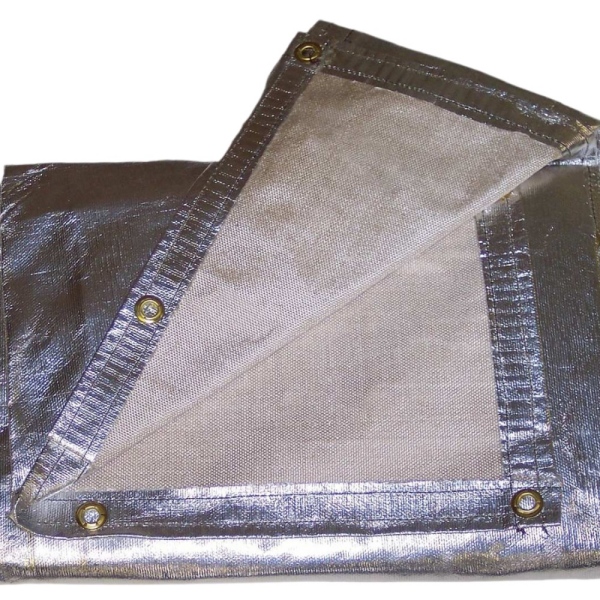
Aluminized fiberglass is primarily selected for radiant heat reflection. The metallic face should generally face the radiant heat source.
BSTFLEX supplies the finished Aluminized Fiberglass Welding Blanket. Related roll requirements can include aluminized fiberglass welding blanket fabric, aluminum foil fiberglass fabric roll, heat-reflective welding curtain fabric and radiant heat barrier material.
The reflective surface is not automatically the best face for sustained heavy slag contact. Direct particle exposure, bonding-system limits and damage to the foil should be reviewed separately.
Carbon felt is a soft nonwoven material rather than a conventional woven welding fabric. It can conform around irregular components and may be useful for localized heat shielding, pipe work and equipment protection.
BSTFLEX Carbon Fiber Felt Welding Blanket provides a finished-product reference for this material family.
Potential buyer terms include carbon felt welding blanket material, carbon fiber felt heat shield, soft welding blanket material and conformable welding protection felt.
Temperature values from vacuum or inert-atmosphere furnace insulation should not be transferred automatically to welding applications in air.
| Selection Factor | Blanket Fabric | Curtain Fabric |
|---|---|---|
| Typical orientation | Horizontal, draped or wrapped | Vertical and suspended |
| Hot-particle contact | Particles may remain on the textile | Many particles fall away after contact |
| Mechanical concern | Abrasion, dragging, folding and surface contact | Hanging weight, repeated flexing and attachment-point stress |
| Fabrication concern | Seams, hems, finished coverage and optional grommets | Reinforced top edge, grommet spacing, hooks or track attachment |
| Primary procurement question | Can it protect the surface underneath? | Can it hang safely and control the intended spark path? |
The terms are often used interchangeably, but a screen normally implies a framed panel or partition, while a curtain is more commonly suspended from hooks, a cable or a track.
For a framed welding screen, provide:
For a hanging welding curtain, also provide grommet pitch, top-edge load distribution, overlap between panels and clearance above the floor.
A welding pad is intended for more severe horizontal exposure than a general vertical curtain. Buyers should not rely on one generic temperature number to decide between them.
Where heavy cutting, large slag deposits or molten material exposure is expected, specify:
A welding blanket fabric suitable for ordinary equipment covering may not be suitable as welding pad material for severe horizontal work.
Fabric weight is commonly expressed in g/m² or oz/yd². It helps distinguish constructions, but weight alone does not define heat resistance.
When comparing welding fabric rolls, ask whether the quoted value refers to:
Two products with the same total GSM can use different amounts of base textile and coating. This can affect drape, abrasion, sewing behavior and thermal performance.
Thickness should be controlled separately from fabric weight. Texturized yarns, coatings and different weaves can produce different thicknesses at similar GSM.
Thickness affects:
The thickest fabric is not automatically the correct welding curtain material because excessive weight can make a suspended panel difficult to handle.
For a converter, usable width directly affects finished-product cost. The widest roll is not always the most efficient roll.
Calculate:
Current BSTFLEX fiberglass roll products include widths around 1.0, 1.5 and 1.8 m for selected constructions, while the vermiculite coated range is commonly around 1.0 m. Availability must be confirmed for the exact material.
Long rolls reduce changeovers but increase roll weight and storage requirements. Before ordering a 45 m or 50 m welding fabric roll, confirm that the receiving facility can move, store and load it safely.
Roll-length selection should account for:
| Supply Format | Buyer Responsibility | Typical Buyer |
|---|---|---|
| Full roll | Cutting, sewing, inspection and packaging | High-volume converter or distributor |
| Cut-to-length welding fabric | Final cutting and fabrication | Project fabricator |
| Cut panels | Sewing, edging and hardware installation | Local blanket or curtain manufacturer |
| Finished blankets or curtains | Receiving inspection and installation | End user, safety distributor or OEM brand |
Standard roll goods normally do not include grommets, eyelets, hems, reinforced borders, straps or finished-product packaging unless these operations are included in the quotation.
Converters should test the actual fabric before bulk production. Fiberglass, silica, coated fabrics and felt can behave differently during cutting and sewing.
Important fabrication questions include:
A welding curtain with grommets requires more than evenly spaced holes. The fabric, edge reinforcement, hole diameter, edge offset, hanging hardware and total panel weight must work together.
An RFQ can specify:
Where an existing frame has fixed mounting points, provide a drawing rather than requesting generic custom grommet spacing.
Roll materials can be converted for:
The application list does not mean one material is suitable for all of these environments. Each use requires the correct fabric and finished construction.
Typical B2B customers include:
For repeat production, a buyer should control the approved construction instead of ordering only by a generic product name.
An OEM welding fabric specification can include:
BSTFLEX supports bulk welding fabric roll supply, custom roll widths and lengths where production permits, cut panels, finished-product conversion, OEM labels and private-label packaging.
A welding curtain fabric manufacturer should be able to identify the base textile, coating, weight, thickness, usable width and roll length for the exact grade offered. A welding curtain fabric supplier should also explain whether it controls production, converts purchased material or distributes another manufacturer's roll goods.
For repeat programs, buyers may need a welding curtain fabric factory, welding curtain fabric OEM manufacturer, welding curtain fabric private label supplier or welding curtain fabric bulk supplier rather than a retailer selling isolated cut pieces.
| Supplier Requirement | What the Buyer Should Verify |
|---|---|
| Welding curtain fabric factory | Actual production or converting capability, material controls and available constructions |
| Welding curtain fabric exporter | Export packing, documentation, destination requirements and shipment experience |
| Welding curtain fabric wholesaler | Bulk roll availability, repeat specifications and commercial quantities |
| Welding curtain fabric OEM supplier | Sample approval, controlled specifications, labels and repeat-order consistency |
| Welding curtain fabric converter supplier | Cutting, sewing, edge reinforcement, grommets and finished-product capability |
| Welding curtain fabric factory direct supplier | Which operations are completed in-house and which are subcontracted |
Commercial search phrases often describe different stages of the buying process. They should lead to useful specification information rather than thin pages repeating the same product name.
| Buyer Search | Information the Page or Quotation Should Provide |
|---|---|
| welding curtain fabric for sale | Available material families, roll dimensions and supply format |
| welding curtain fabric price | Material grade, width, length, weight, coating and quantity basis |
| welding curtain fabric cost | Landed material cost plus cutting yield and conversion requirements |
| welding curtain fabric quote | Exact grade, tolerances, roll format, quantity and delivery terms |
| welding curtain fabric quotation | Complete commercial and technical scope rather than price alone |
| welding curtain fabric RFQ | Application, material, GSM, thickness, width, length and OEM requirements |
| welding curtain fabric MOQ | Minimum quantity by standard roll, custom coating or private-label program |
| welding curtain fabric bulk order | Batch control, repeatability, packaging and production lead-time requirements |
| welding curtain fabric wholesale | Distributor pricing structure, roll labels and resale packaging |
| welding curtain fabric custom size | Clarification of roll width, cut length, cut panel or finished curtain dimensions |
| welding curtain fabric custom specification | Base fabric, coating, weight, thickness, tolerance and test route |
| welding curtain fabric custom roll width | Usable width, edge condition, production quantity and manufacturing feasibility |
| welding curtain fabric custom roll length | Continuous length, roll weight, core, handling and packaging requirements |
| welding curtain fabric sample | Representative production material for cutting, sewing and application trials |
| welding curtain fabric technical data sheet | Material identity, construction, weight, thickness, width and service limitations |
| welding curtain fabric datasheet | The same grade-specific information used to approve repeat production |
| welding curtain fabric catalog | Clear separation between materials, coatings, formats and finished products |
| welding curtain fabric export packaging | Roll wrapping, carton protection, labels and moisture protection |
| welding curtain fabric pallet packing | Roll orientation, pallet dimensions, gross weight and handling requirements |
Buyers also search by material. The following phrases should lead to separate, technically distinct constructions rather than interchangeable descriptions:
The chosen material still needs to be matched to curtain weight, hanging system, hot-particle exposure and required testing.
Phrases such as welding curtain heavy duty, welding screen heavy duty and welding pad heavy duty are not complete specifications.
The same applies to welding curtain radiant heat protection, welding screen radiant heat protection, welding curtain molten metal splash protection, welding screen molten metal splash protection and welding pad molten metal splash protection.
Orientation also matters. Welding curtain vertical use is a normal hanging arrangement, while welding curtain horizontal use may create retained-hot-particle conditions that require a different product classification. Welding screen vertical use is common for framed barriers, while welding screen horizontal use should be reviewed as a blanket or pad application rather than assumed from the word screen.
A sample should be evaluated using the buyer's actual converting process, not only by visual inspection.
Validate:
The approved sample and specification should become the reference for repeat orders.
| Comparison Item | Why It Matters |
|---|---|
| Base material | Determines the main thermal textile system |
| Fabric weight | Controls material mass and affects drape and durability |
| Thickness | Affects bulk, flexibility and heat separation |
| Coating | Changes abrasion, moisture and surface behavior |
| Usable width | Controls conversion yield |
| Roll length | Controls total area and handling |
| Application classification | Determines whether the material is intended for blanket, curtain, screen or pad use |
| Fabrication included | Separates raw-roll price from finished-product price |
| Documentation | Confirms which exact material and finished construction are covered |
Do not compare price per roll without normalizing width, length and total usable area.
| RFQ Item | Information to Provide |
|---|---|
| Finished product | Blanket, curtain, screen, pad, cover or barrier |
| Hot-work process | Welding, cutting, grinding, gouging or brazing |
| Exposure | Sparks, spatter, slag, radiant heat or direct contact |
| Orientation | Vertical, horizontal, draped, wrapped or frame-mounted |
| Material preference | Fiberglass, coated fiberglass, silica, aluminized fabric or felt |
| Weight | Target g/m² or oz/yd² |
| Thickness | Target value or acceptable range |
| Coating | Uncoated, acrylic, silicone, vermiculite or reflective |
| Width and length | Usable roll width and length per roll |
| Conversion | Full roll, cut length, panel or finished product |
| Hardware | Grommets, eyelets, hooks, snaps, straps or none |
| OEM requirements | Labels, private-label packaging, cartons and pallets |
| Quantity | Sample, trial order, project demand or annual volume |
Blanket fabric may be used horizontally, draped or wrapped, while curtain fabric is normally suspended vertically. Blanket applications can retain hot particles for longer; curtain applications place more emphasis on drape, hanging weight and reinforced attachment points.
Sometimes, but not automatically. The material must be reviewed for both exposure severity and installation. A fabric suitable for vertical spark interception may not be appropriate for severe horizontal slag exposure.
In this context it is opaque heat-resistant fabric used in framed or temporary barriers. If optical protection from welding arc radiation is required, that must be specified separately because not every heat-resistant fabric is an approved optical welding screen.
Welding pad material is intended for horizontal use under more severe hot-work exposure. It should be selected for retained hot particles, burn-through resistance and heat transfer to the surface below.
The answer depends on sparks, spatter, panel size, hanging weight, movement and required durability. Heat-cleaned or acrylic coated fiberglass may suit general vertical barriers, while heavier treated fiberglass or silica may be considered for more demanding heat exposure.
There is no universal best material. The supplier needs the process, hot-particle quantity, contact duration, orientation and backside protection requirement. Severe horizontal use may require a specifically tested pad construction rather than a generic blanket fabric.
Yes. BSTFLEX supplies selected welding blanket and curtain materials as full rolls, cut-to-length fabric, cut panels or finished products.
Cut-to-length supply can be discussed according to the material, minimum order, roll construction and project requirements. Buyers should specify whether the requested length is continuous.
Normally no. Grommets, hems, reinforced borders and hanging hardware are part of finished-product fabrication unless included explicitly in the order.
Yes. Custom materials, sizes, edges, grommet layouts, labels, packaging and bulk OEM supply can be discussed for repeat purchasing programs.
Send BSTFLEX the finished product you plan to manufacture, hot-work process, exposure type, orientation, preferred material, fabric weight, thickness, roll width, roll length and quantity.
Where the correct material is not yet known, include photographs or drawings of the installation and describe whether the fabric will become a blanket, hanging curtain, framed screen, horizontal pad or custom equipment cover.
BSTFLEX can support complete welding fabric rolls, cut-to-length material, panels and finished OEM products for industrial converters, distributors and welding safety brands.
Review Welding Blanket Rolls & Roll Goods, compare the Heat Cleaned Fiberglass Welding Blanket Roll, Acrylic Coated Fiberglass Welding Blanket Roll and Vermiculite Coated Fiberglass Welding Blanket Roll, or browse the complete Welding & Soldering Area Protection range.

 English
 français
 Deutsch
 русский
 italiano
 español
 português
 Nederlands
 日本語
 한국의
 Türkçe
 Polski
 Tiếng Việt
 slovenský
 Indonesia